
Last updated September 10, 2026
Full 25-point door and opener safety check with every visit - springs, cables, rollers, tracks, and your LiftMaster or Chamberlain opener included
You get a price before we start. It does not change when the truck arrives.
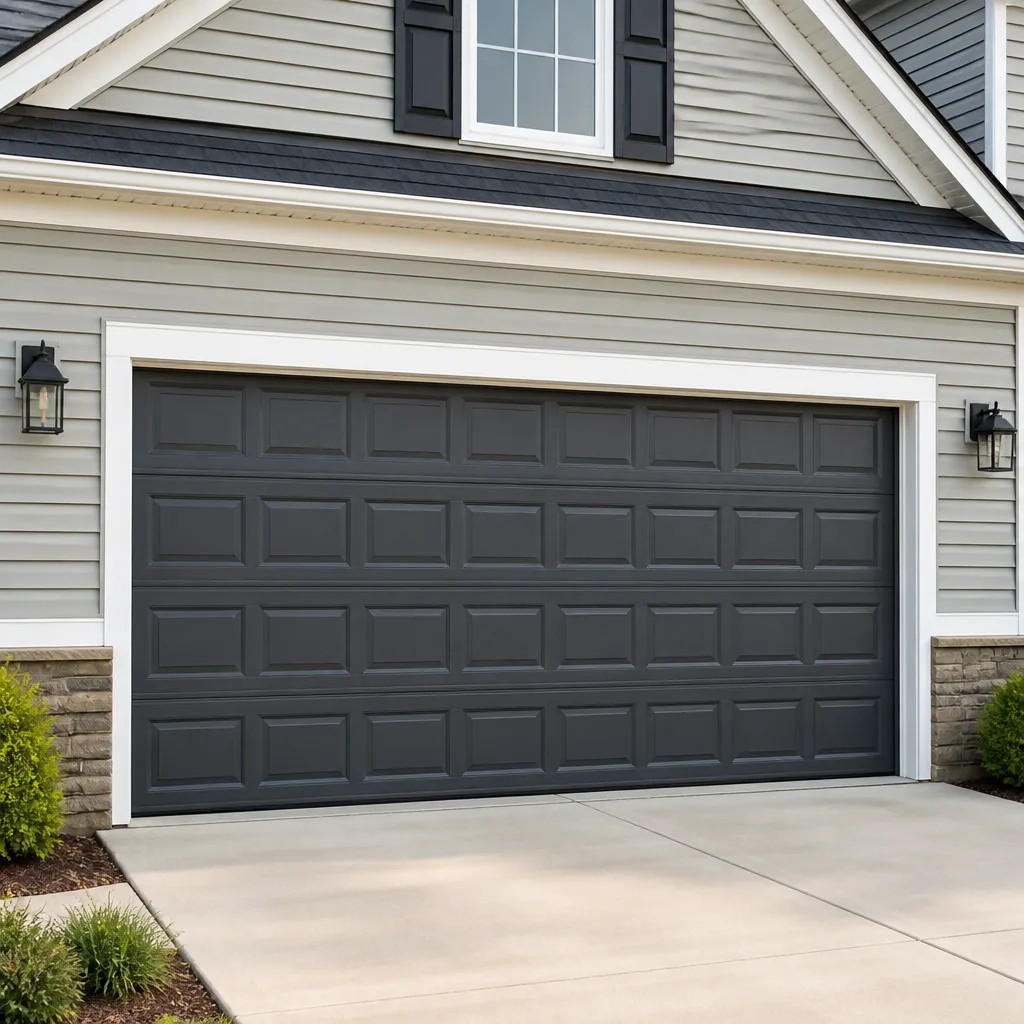
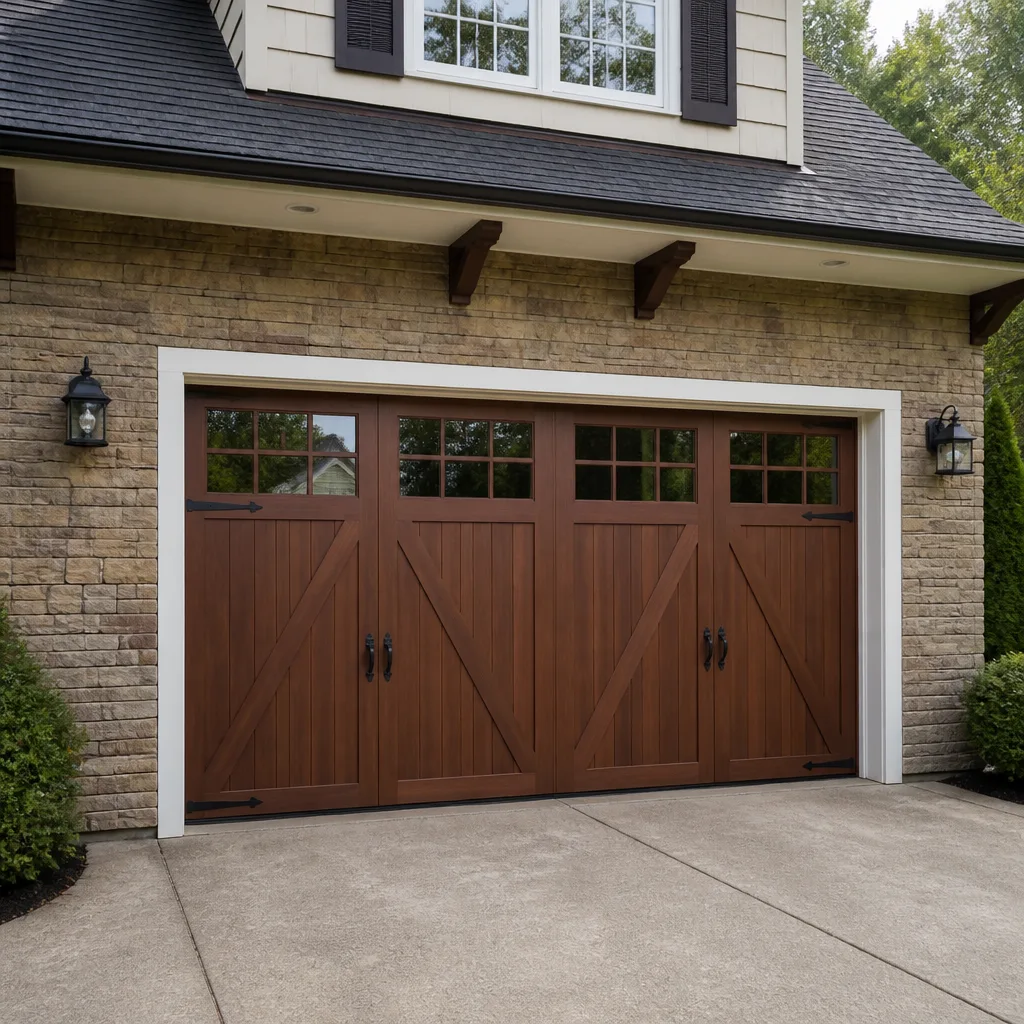
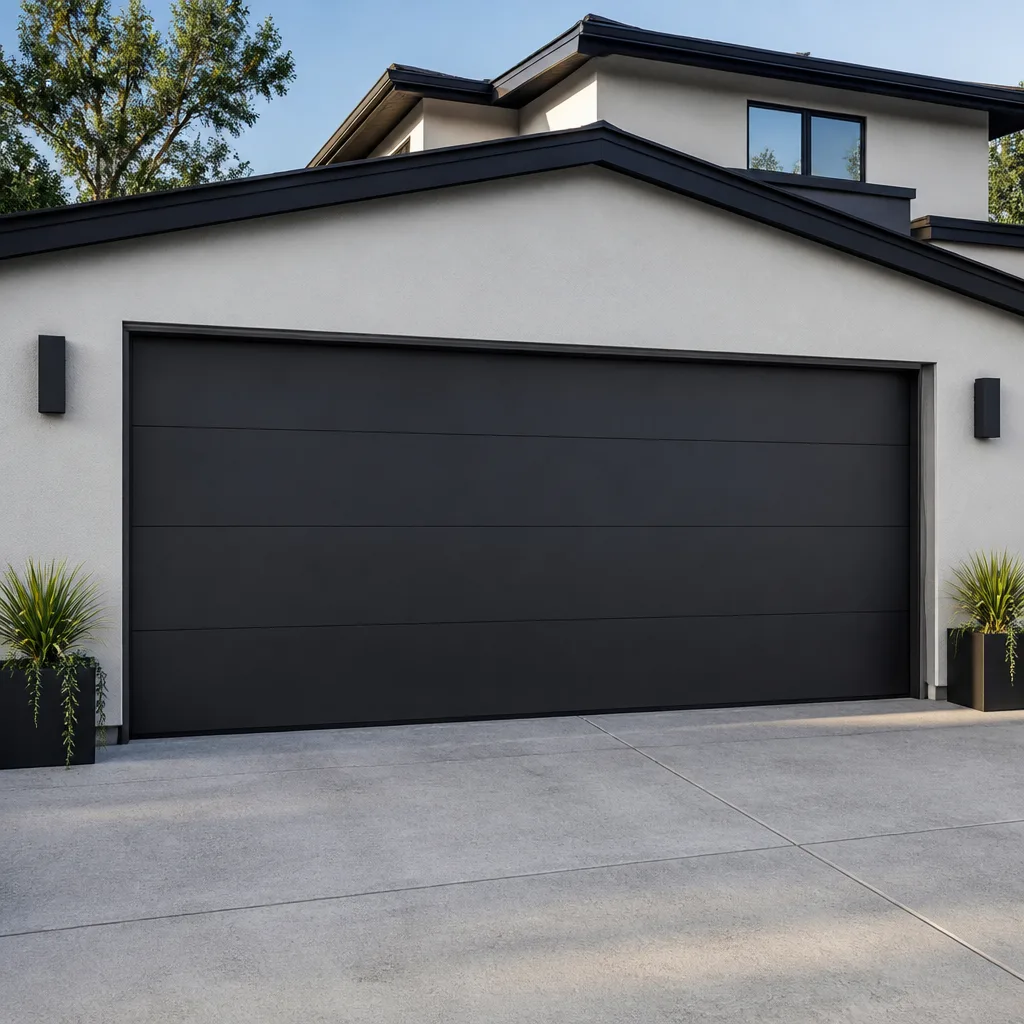
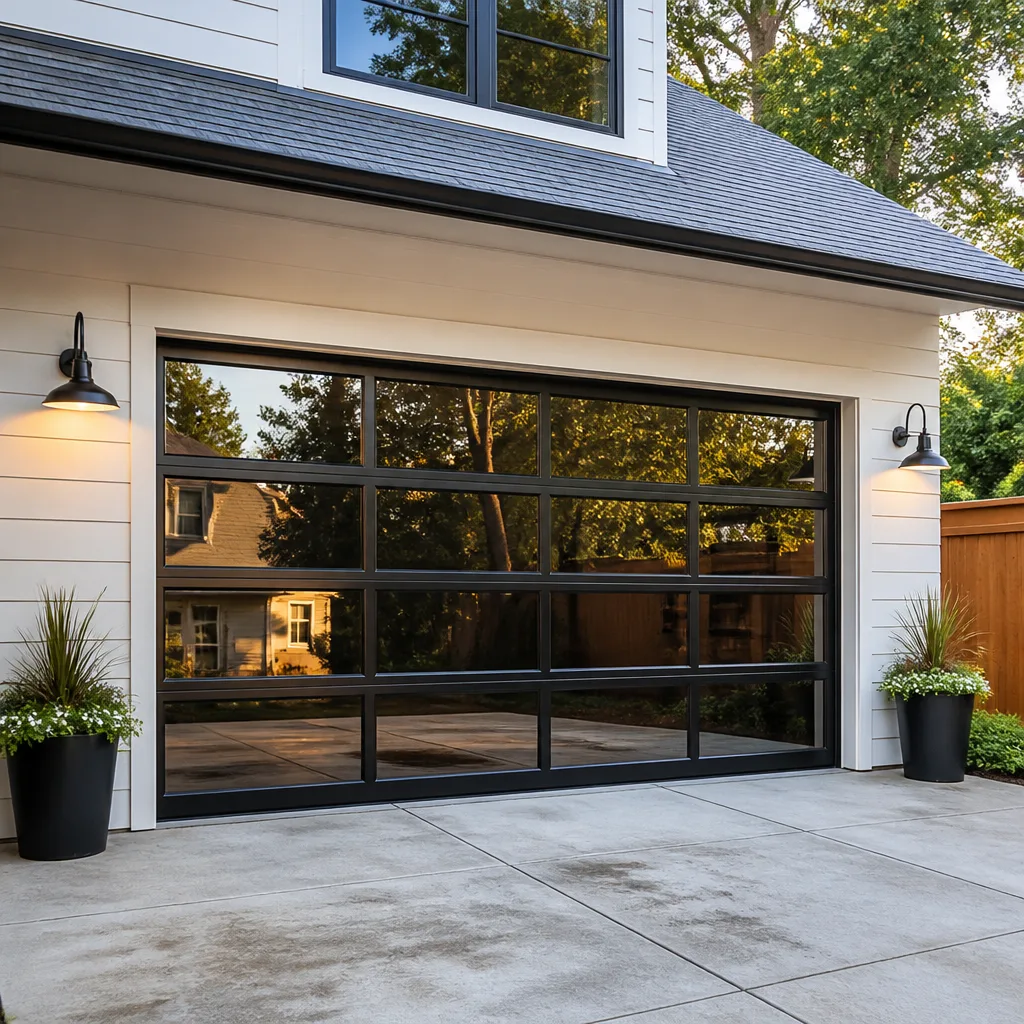
 Before
 After
After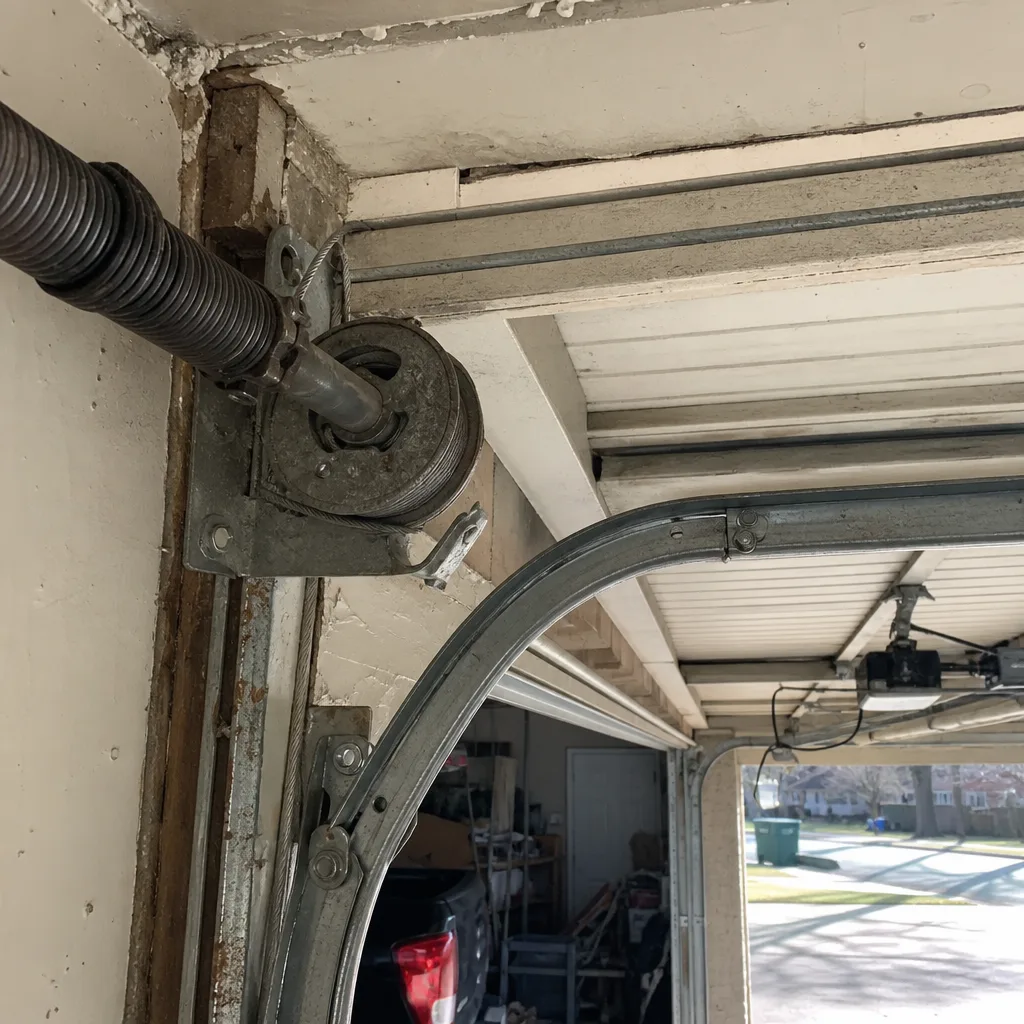 Before
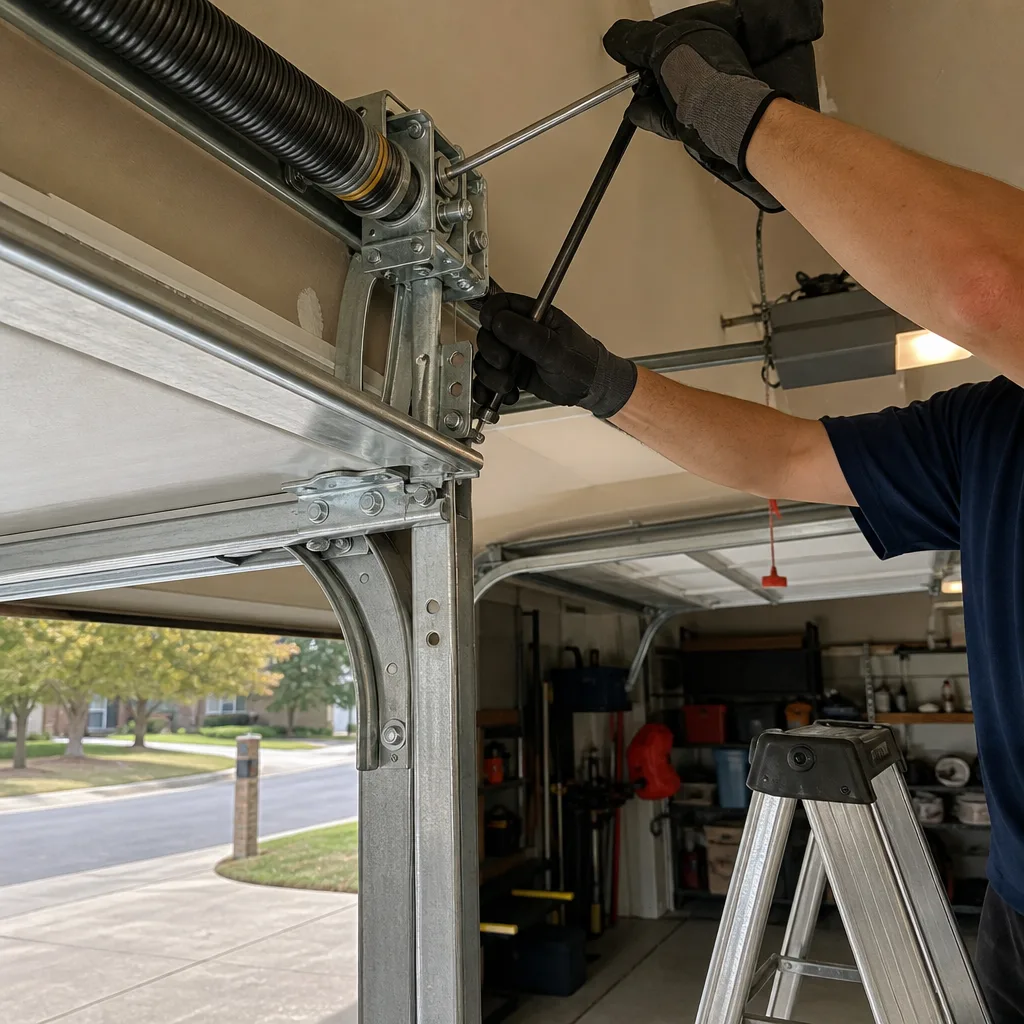 After
After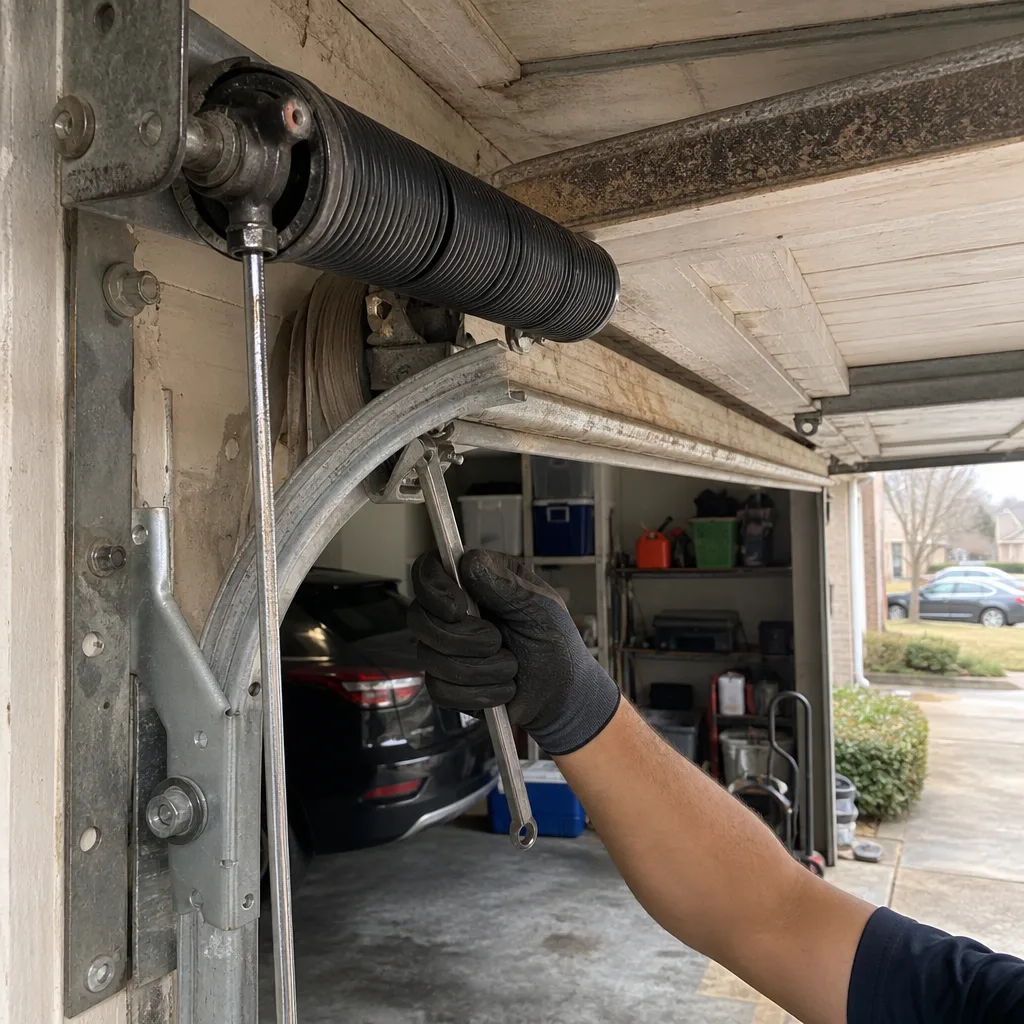 Before
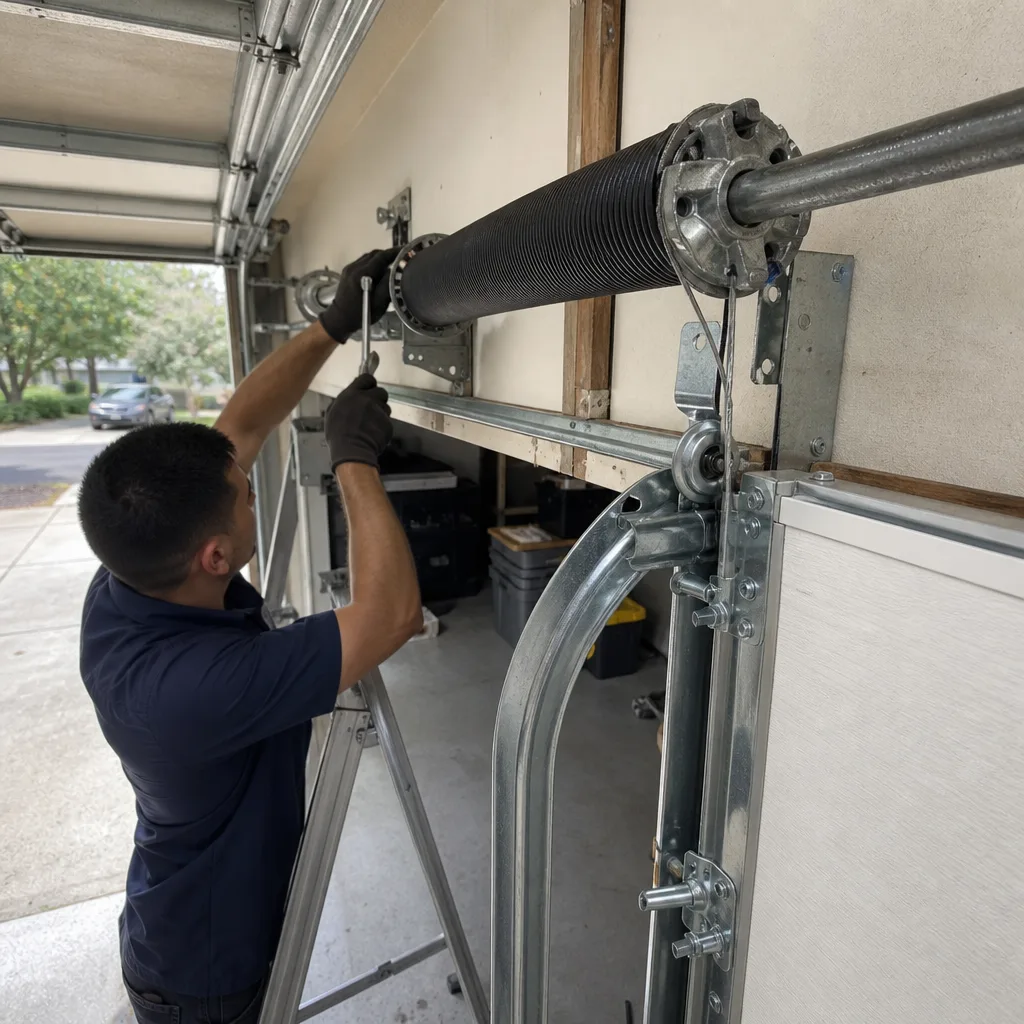 After
AfterGarage Door Permits, Codes & Inspections in TX: What You Need to Know
A garage door replacement in Dallas failed a home inspection and killed a $380,000 sale. Not because the door was wrong. Not because the install was sloppy. Because the opener electrical work wasn’t permitted, and the buyer’s lender refused to fund until a corrected permit was pulled, inspected, and closed. That took three weeks. The buyer walked. The seller lost the house over a $150 permit and a $1,200 electrical job. We’ve seen this exact scenario play out more times than we care to count since 2004. This guide tells you what actually triggers a permit in Dallas, what doesn’t, what your HOA can do that the city can’t, and how to avoid becoming the next cautionary tale. For Garage Door Warning Signs: A Dallas Homeowner’s Reference Guide, see our related resource.
Quick Answer
In Dallas, you need a permit when the garage door work involves structural modification (moving or widening the opening) or new electrical wiring for an opener. Replacing a door in the exact same opening with no structural change is a repair, not an alteration, and does not require a permit under the Dallas building code. The permit that trips people up is the electrical permit on the opener, especially when you’re running a new circuit or adding an outlet.
Table of Contents
- What Garage Door Work Actually Requires a Permit in Dallas
- HOA Guidelines vs. City Code: The DFW Suburb Trap
- The Insurance Scenario Nobody Tells You About
- What a Real Garage Door Inspection Actually Checks
- How Long the Dallas Permit Process Takes
- How a Good Contractor Handles Permits Without Slowing You Down
- What Changes Outside Dallas: Texas Statewide Codes in Brief
- Common Mistakes to Avoid
What Garage Door Work Actually Requires a Permit in Dallas
The City of Dallas operates under the 2018 International Residential Code as adopted and amended by city ordinance. The relevant section for garage doors is Chapter 52 of the Dallas City Code, which incorporates the IRC’s provisions on accessory structures, openings, and electrical work. Here’s what the code actually says, in plain English.
Work that requires a permit:
- Structural alteration of the opening. If you’re widening the garage door opening, adding a second bay, converting a carport to a garage, or cutting into a load-bearing wall, you need a building permit. This is not negotiable and not gray. The City of Dallas classifies this as an alteration to the building envelope.
- New electrical work for the opener. Running a new circuit, adding an outlet, or wiring a new opener from scratch requires an electrical permit under Dallas City Code Chapter 52, Article XI. If an outlet already exists where the opener plugs in, you’re plugging in a device, not doing electrical work. No permit needed.
- Replacing a door when the opening changes size. If the new door is wider, taller, or has a different header configuration than the old one, that’s structural. Permit required.
- Spring system conversion that changes load paths. Converting from extension springs to torsion springs, or changing the spring configuration in a way that modifies the door’s attachment to the structure, can require review. This is rare, but it happens on older Dallas homes with non-standard framing.
Work that does NOT require a permit:
- Replacing a garage door in the exact same opening. Same width, same height, same header. The city considers this a repair. You’re swapping a worn component for a new one. No permit, no inspection.
- Replacing a garage door opener when the existing electrical outlet is present and functional. You’re plugging in a new appliance. If the outlet is there and in code, no permit.
- Replacing rollers, tracks, hinges, cables, or springs. All of these are wear items. The city does not require a permit for maintenance and repair of existing components. We do spring replacements in Dallas regularly, and none of them require a city permit.
- Weatherstripping, painting, or cosmetic changes. Cosmetic work is outside the permit system entirely.
Here’s the thing most more guides & resources won’t tell you: the Dallas permit requirement for garage doors is almost never about the door itself. The door is a big piece of stamped steel and polyurethane insulation. The city cares about two things: the building envelope staying structurally sound, and electricity not creating a fire hazard. If your job doesn’t touch either, you’re clear.
But here’s the trap. You buy a new door. The old opener is 15 years old and the new door is heavier. The installer says you need a new opener, and the old opener was hardwired to a junction box with no outlet. Now you’re pulling wire. Now you need an electrical permit. This happens constantly in older Dallas neighborhoods like Lake Highlands, Casa View, and the M Streets, where homes were built in the 1960s and 1970s with openers that were originally hardwired.
HOA Guidelines vs. City Code: The DFW Suburb Trap
If you live in Frisco, Allen, McKinney, or any of the dozens of planned communities around Dallas, you’re dealing with two separate rulebooks. The city says one thing. Your HOA says another. They are not the same document, and one can reject what the other approves.
City code in Frisco, Allen, and McKinney is generally similar to Dallas on garage doors: repair in the same opening, no permit. Structural changes or electrical work, permit. That’s the easy part.
The HOA is the hard part. Your HOA’s architectural guidelines are a private contract between you and the association. They supersede nothing in the city code, but they add a layer. Common HOA restrictions we run into in DFW:
- Door material and design standards. Many HOAs in Frisco’s newer developments require carriage-house style doors, or prohibit certain materials like raw steel or wood that doesn’t match the community standard. The city doesn’t care what your door looks like. Your HOA absolutely does.
- Color requirements. Allen and McKinney HOAs frequently mandate specific color palettes for garage doors. You can’t paint your door forest green because you like it. The HOA’s palette governs.
- Window restrictions. Some HOAs restrict garage door windows entirely, or require specific glass patterns. This is a design review issue, not a code issue.
- Approval timeline. Many HOAs require architectural review before installation. The review committee might meet monthly. If you skip the HOA approval, you can be ordered to remove a perfectly good, code-compliant door. We’ve seen it happen in McKinney, where a homeowner installed a $4,000 custom door without HOA approval and got a cure notice demanding removal within 30 days.
What this means for you: before you buy a door in any HOA community, pull your covenants and read the architectural guidelines. Look for the garage door section specifically. If you don’t have it, call your management company and request it. Do this before you spend a dime. The city permit tells you if you’re allowed to build it. The HOA tells you if you’re allowed to keep it.
One more thing: some DFW suburbs, including Frisco, have adopted local amendments to the IRC that are more restrictive than Dallas. Frisco’s amendments related to garage doors specifically address wind load ratings. If you’re in a newer Frisco development, your door needs a specific wind rating certification. A door that’s fine in Dallas might not be fine in Frisco. This is why you want a contractor who works in your specific suburb, not someone who drives up from South Dallas and has never pulled a Frisco permit. See How to Hire a Garage Door Contractor in Dallas: A Step-by-Step Guide for what to look for.
The Insurance Scenario Nobody Tells You About
Here’s the scenario that costs Dallas homeowners real money. Your garage gets broken into. Someone kicks the door in or, more commonly, slips a coat hanger through the top panel and trips the emergency release. They steal your tools, your bikes, maybe the car contents. You file a homeowners claim.
The adjuster shows up. They’re looking at damage. But they’re also looking at the door itself. Here’s the question they ask: was this door installed legally?
If the door was replaced without a permit and it should have had one, the insurance company has a problem. They’re not refusing every claim with an unpermitted door. But they’re asking questions. If the unpermitted work contributed to the loss, they have grounds to reduce or deny your claim. The classic example: a door that was structurally altered without a permit, the header wasn’t properly sized, and the door was easier to force open. That’s not a hypothetical. Insurers deny claims for unpermitted structural work all the time, and Dallas homeowners don’t always win the dispute.
The fire scenario is worse. If an unpermitted electrical opener installation causes a fire, and the fire marshal’s report notes the unpermitted wiring, your insurance company will likely deny the claim for code violations. Texas allows insurers to exclude loss caused by illegal construction. Unpermitted electrical work is illegal construction. That’s a $25,000 garage fire with no check coming.
We’re not telling you this to scare you. We’re telling you because we’ve seen the claim denial letters. The permit costs $150 on average in Dallas. The electrical permit is under $100. Compare that with losing a $20,000 claim. The math is not hard. If your job needs a permit, get the permit. It’s the cheapest insurance policy you’ll ever buy.
What a Real Garage Door Inspection Actually Checks
If your job requires a building or electrical permit, the city will send an inspector. Understanding what they’re looking for helps you ask the right questions and avoid surprises.
For a structural permit (opening modification, new header, converted carport):
- Header sizing. The inspector verifies the header over the opening is sized for the span and the load. This is engineering, not opinion. If your header is undersized, you fail.
- Load path. The inspector confirms the load from above is properly transferred down to the foundation through the king studs, jack studs, and header. No gaps, no mistakes in framing.
- Anchoring. The track brackets and spring plates must be bolted properly to the framing. The inspector is checking that the door won’t rip itself off the wall when the springs cycle.
- Fire separation. If the garage is attached to the house, the inspector verifies the fire-rated separation between garage and living space is intact. In Dallas, that means the door between the house and garage meets fire rating, and the wall assembly isn’t compromised.
For an electrical permit (new opener circuit or outlet):
- Circuit capacity. The inspector verifies the circuit is properly sized for the opener’s load. Most openers draw under 10 amps, but the circuit needs to be right.
- GFCI protection. Garages in Dallas require GFCI protection on all 125-volt receptacles. The inspector will test this.
- Wiring methods. The wiring must be properly secured, protected, and terminated. The inspector is checking for code compliance, not aesthetics.
What the inspector is NOT checking:
- The balance of the door
- Whether your springs are dialed in correctly
- Whether the opener’s travel limits are set right
- Whether the safety sensors are properly aligned
- The condition of your rollers, cables, or hinges
- Wind load ratings (unless your specific suburb added that amendment)
This matters because a passing city inspection does not mean the door is installed well. The city inspector is checking code compliance. They are not checking whether your door will run smoothly for 15 years. A door can pass inspection and still be a headache if the installer didn’t tension the springs right or set the opener limits sloppily. That’s why the installer matters as much as the permit. When we finish a job in Dallas, the door is balanced, the springs are sized for the door’s actual weight, and the opener is dialed in. We count spring cycles the way you count tire miles. A passing inspection is the floor. We aim higher than the floor.
How Long the Dallas Permit Process Takes
The Dallas permit process is not fast, but it’s not terrible either if you know what you’re doing. Here’s a realistic breakdown based on what we deal with regularly:
- Simple electrical permit for an opener: 1-3 business days to issue if the application is complete. The City of Dallas uses an online permit portal, and if your contractor knows how to use it properly, the electrical permit can be issued same-day or next-day, with inspection scheduled within 48 hours.
- Building permit for an opening modification or structural work: 3-10 business days for plan review. Simple projects with clear drawings get through faster. Anything involving a structural engineer’s stamp takes longer.
- Inspection scheduling: 1-3 business days after the work is ready for inspection. The inspector’s visit itself is usually 20-30 minutes.
- Correction cycles: if the inspector fails the work, you fix the issue and reschedule. Add another 1-3 business days per cycle. Most good contractors pass first time.
The total realistic timeline for a simple garage door replacement with a new opener requiring an electrical permit: 3-5 business days from start to closed permit. For a structural job: 2-4 weeks, mostly driven by plan review.
A good contractor handles this for you. We pull the permit, schedule the inspection, meet the inspector, and close the permit. You shouldn’t be the one standing on the phone with the City of Dallas permit office. That’s what you’re paying for. The contractor who tells you “you don’t need a permit” without knowing the specifics of your job is either ignorant or lazy. Neither is a good look. Otto has been pulling permits in Dallas since 2004, and the number on the application is the same number on the side of the truck.
How a Good Contractor Handles Permits Without Slowing You Down
Here’s the process we follow when a permit is required. If your contractor doesn’t follow something close to this, ask why.
- Assessment and honest determination. First, we determine whether the job actually requires a permit. If it doesn’t, we don’t waste your money pulling one. If it does, we say so plainly.
- Permit application. We file the application with the correct municipal jurisdiction. Dallas, Frisco, Allen, McKinney: each has its own portal and its own quirks. We know the difference because we work in all of them.
- Work scheduling. We order the door and schedule the work around the permit timeline. For electrical permits, the work and the permit move together. For structural permits, the plan review happens first, then the work.
- Inspection coordination. After the work is done, we schedule the inspection and meet the inspector. We’re on site, we answer questions, and we fix anything that’s flagged.
- Permit closure. We get the permit signed off and closed. You get documentation showing the work was inspected and approved. That document is worth its weight when you sell the house.
The whole point is that the permit process should be invisible to you. We handle it. You get a door that’s installed right and papers that prove it. If a contractor wants to skip the permit, they’re saving themselves time and liability while transferring the risk to you. That’s not a deal. That’s a deferred problem with your name on it.
We also do free second opinions on written estimates. If another outfit in Dallas quoted you a job and said no permit was needed, bring us the quote. We’ll tell you if they’re right or wrong, no charge, no obligation. It’s part of being accountable. The name on the van is the name on the invoice and the name on the license. Otto is a palindrome: reads the same from either end, same as the door.
What Changes Outside Dallas: Texas Statewide Codes in Brief
Texas does not have a single statewide building code. The state sets minimum standards, but each city adopts its own code with local amendments. What’s true in Dallas may not be true in Fort Worth, Arlington, Denton, or Plano. Here’s the honest short version for the major areas around us:
- Dallas: 2018 IRC with local amendments. Garage door replacement in same opening: no permit. Electrical for new opener circuit: permit.
- Fort Worth: similar approach, but Fort Worth is generally more aggressive on accessory structure reviews. If you’re converting a carport, expect more scrutiny.
- Plano: follows the IRC closely. Plano tends to be strict on electrical work and is quick to flag unpermitted opener installs during resale inspections.
- Arlington: active enforcement of structural permits. If you’re changing an opening, Arlington will want to see engineered drawings.
- Smaller counties and unincorporated areas: many unincorporated areas in Collin, Denton, and Ellis counties have minimal or no permit requirements for residential garage door work. That doesn’t mean the work should be sloppy. The code is a floor, not a ceiling.
The practical takeaway: don’t assume what’s true in Dallas is true where you live. A 20-minute drive changes jurisdiction. The contractor working in Dallas every day knows the city’s code. The contractor working in your specific suburb knows that suburb’s code. Ask the question: “Does this job require a permit in my city?” If the answer is instant and specific, you’re talking to someone who knows. If the answer is vague or dismissive, get another opinion.
We’ve been in this work since 2004, and the bulk of our Garage Door Repair in Dallas work is straightforward replacement and repair that doesn’t trigger the permit system. But when the job does require a permit, we don’t dodge it. A door is 200 pounds riding on two springs. Respect it. The code exists because someone, somewhere, got hurt or killed when it wasn’t followed. We don’t need to learn that lesson twice.
Common Mistakes to Avoid
- Assuming all garage door work is exempt. Most replacements in the same opening are exempt from building permits, but opener electrical work often is not. The Dallas code treats the door and the opener as separate scope.
- Skipping HOA approval because the city doesn’t require it. In Frisco, Allen, and McKinney specifically, HOA rules run parallel to city code and can force removal of a door that’s perfectly legal at the municipal level.
- Hardwiring a new opener to old wiring without a permit. If the old wiring predates current code, you’re attaching new equipment to an old, potentially unsafe circuit. The inspector’s job is to catch that before it catches fire.
- Thinking a passing inspection means a good install. City inspectors check code compliance, not spring tension or opener adjustment. A door can pass inspection and still run like garbage.
- Not keeping permit records after the job. When you sell your Dallas home, the buyer’s inspector may ask about the garage door and opener. Closed permits are documents you want in a folder, not memories you want to reconstruct.
- Letting a contractor talk you out of a permit to “save you money.” The permit is the cheapest part of a garage door job. Anyone who frames skipping it as a favor is managing their own convenience, not your protection.
When to Call a Professional
If your garage door job involves structural changes to the opening, new electrical wiring for the opener, or you’re in an HOA community with architectural review requirements, call someone who works in your municipality regularly. If you’ve been quoted a job and told no permit is required but you’re not sure that’s true, call someone for a second opinion. If you’re buying or selling a house and the garage door or opener was installed during your ownership without documentation, call someone who can tell you what the city will require to get it right. We handle all of this in Dallas and the surrounding suburbs. Otto’s Garage Door offers free estimates, and a live person answers the phone around the clock. Call (972) 736-9689 and ask us directly: does this job need a permit? You’ll get a straight answer from the owner, not a script. If you have a written estimate from another company, bring it in for a Free Second Opinion. No trip charge inside the county. No pressure. Just answers.
We offer Garage Door Installation in Dallas that includes permit handling when the project requires it. If your opener needs a new circuit, we handle the electrical permit as part of the Garage Door Opener in Dallas service. You can learn more about what we do at the Otto’s Garage Door home page. But honestly, the fastest way to get an answer is to call. Otto answers the phone himself more often than not.
Frequently Asked Questions
No, not if the door goes into the exact same opening with no structural change. The City of Dallas treats same-opening replacement as a repair. You need a permit only if the opening changes size, the header moves, or you’re doing new electrical work for the opener. Call (972) 736-9689 if you want someone to look at your specific situation.
A simple electrical permit in Dallas for a garage door opener typically runs under $100, and a building permit for structural work ranges from $100 to $300 depending on project valuation. The permit is the cheapest part of any garage door job that requires one. If a contractor wants to skip it, remember that the insurance and resale consequences are yours, not theirs.
Potentially, yes. If an unpermitted electrical installation causes a fire, Texas insurers can deny the claim for illegal construction. If the door itself was structurally altered without a permit and that contributed to a break-in loss, the claim may be reduced or denied. The permit protects the claim. Get the permit.
In most planned communities in these suburbs, yes. HOA architectural guidelines are a private contract, separate from city code, and they can restrict door style, color, material, and windows. Many require approval before installation. Check your covenants before you buy, and do it in writing. We’ve seen doors ordered and then rejected because the HOA wasn’t consulted first.
An electrical permit for an opener can be issued in 1-3 business days, with inspection within 48 hours after that. A structural building permit takes 3-10 business days for plan review. A good contractor handles the entire process so you don’t stand on the phone with the city. That’s part of what you’re paying for.
A city inspector checks code compliance: header size, load path, fire separation, GFCI protection, wiring methods. They are not checking spring tension, door balance, roller condition, or opener travel limits. A door can pass a city inspection and still run poorly. That’s why the installer’s work quality matters as much as the paperwork. We inspect the door mechanically on every install, not just to code but to how it should actually feel when you hit the button.
The Bottom Line
Most garage door replacements in Dallas don’t need a permit. Same opening, existing outlet, new door: that’s a repair, and the city doesn’t care. The permit question turns serious when you touch the structure or the electrical. Skip the permit there, and you’re gambling with your insurance coverage and your resale value. In the northern suburbs, the HOA is the second gatekeeper, and it can veto what the city approves. The fix is simple: know your city’s rule, check your HOA’s guidelines, hire someone who pulls permits in your jurisdiction every week, and keep the paperwork. The permit is the cheapest insurance you’ll ever buy. We’ve been doing this in Dallas since 2004, and we’ve never once had a customer regret having their job done to code. The regrets always run the other direction.
Written by Otto Reinhardt, Owner at Otto’s Garage Door, serving Dallas since 2004.