
Full 25-point door and opener safety check with every visit - springs, cables, rollers, tracks, and your LiftMaster or Chamberlain opener included
You get a price before we start. It does not change when the truck arrives.
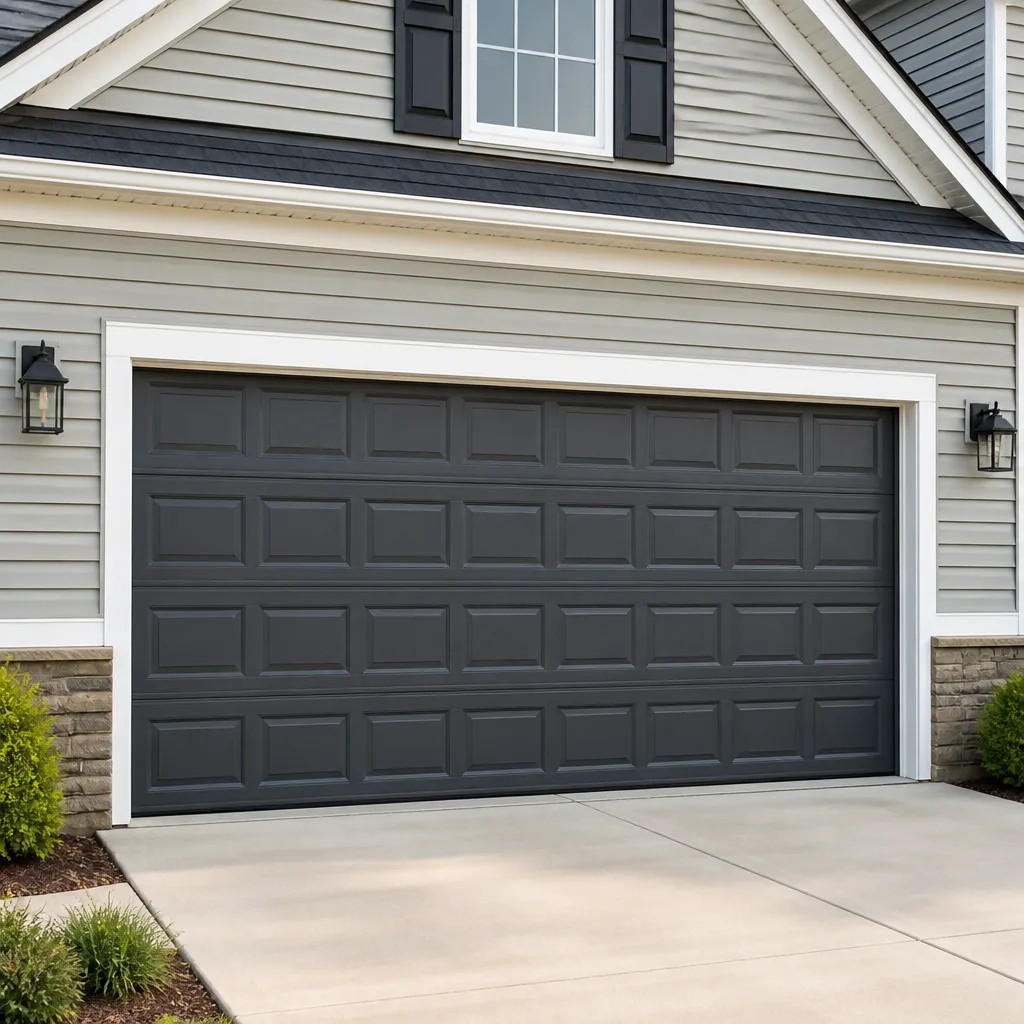
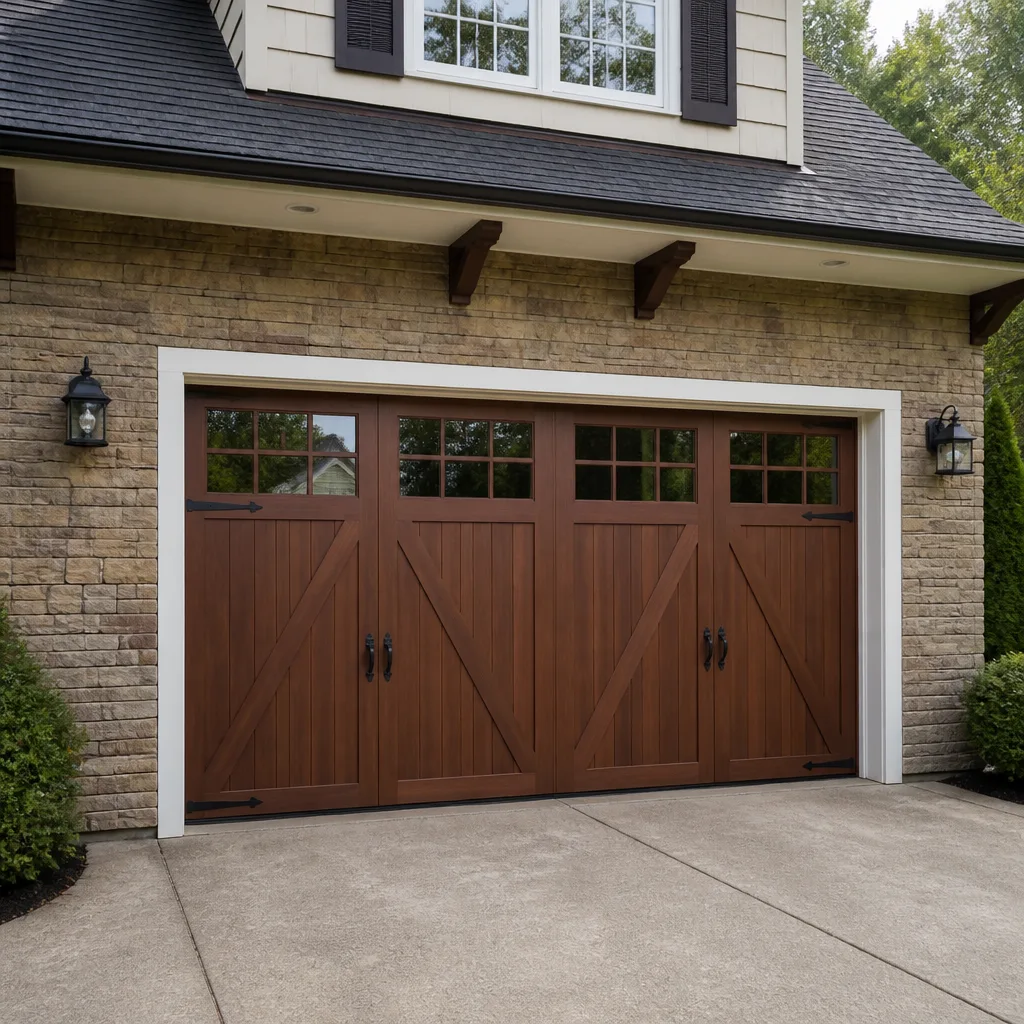
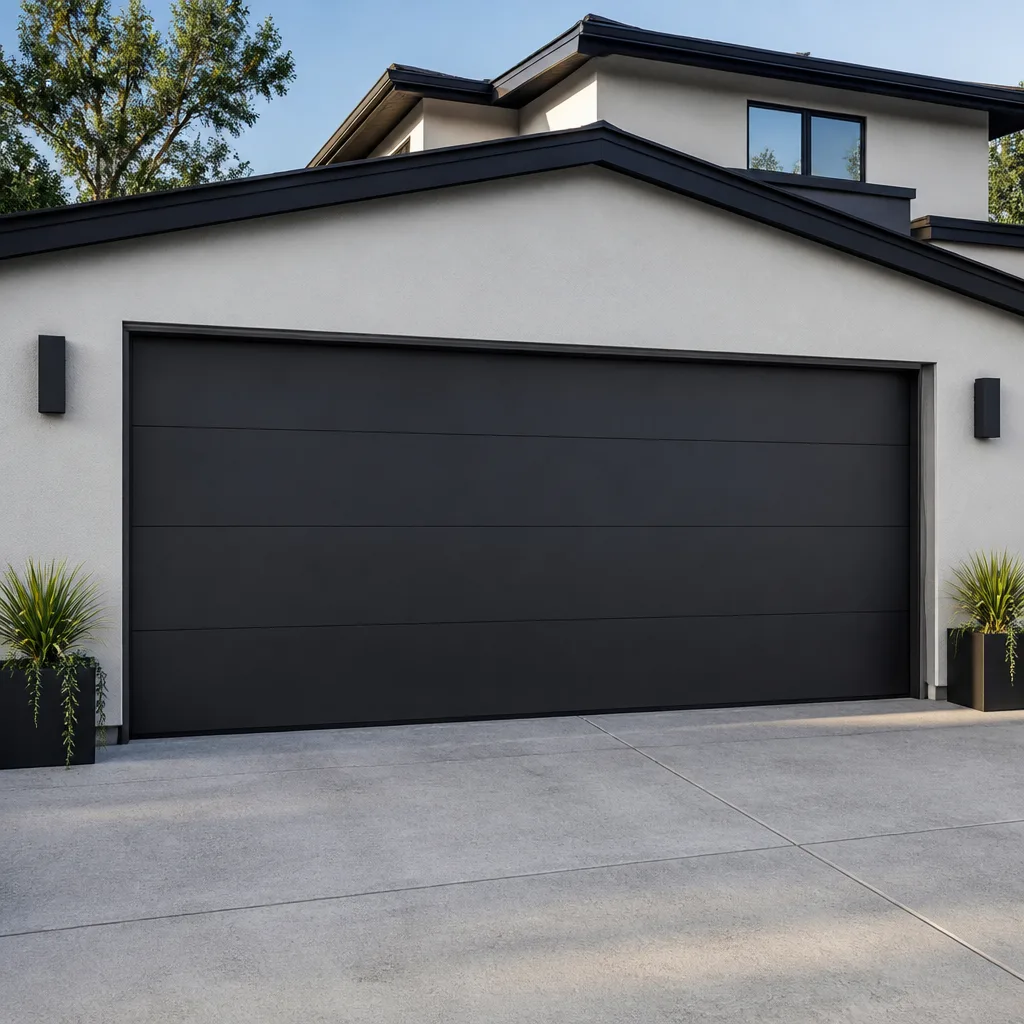
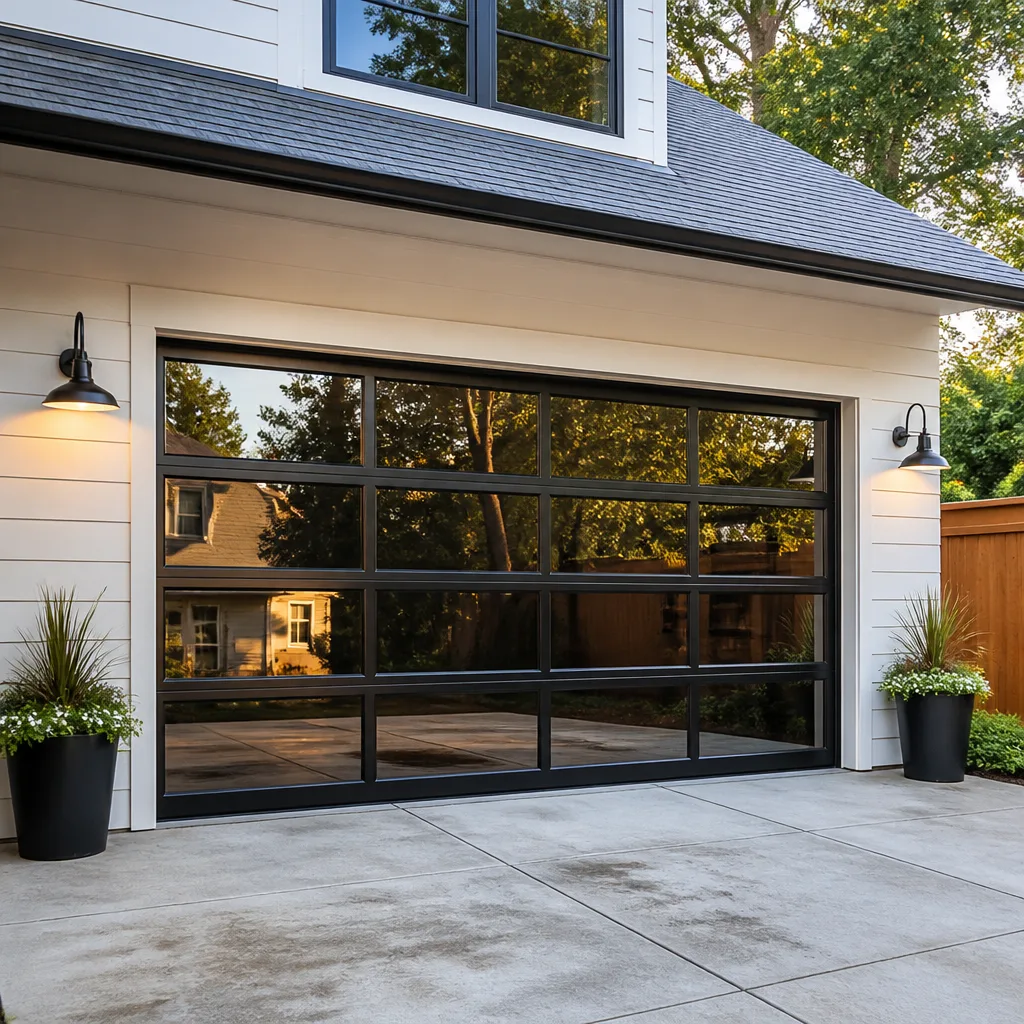
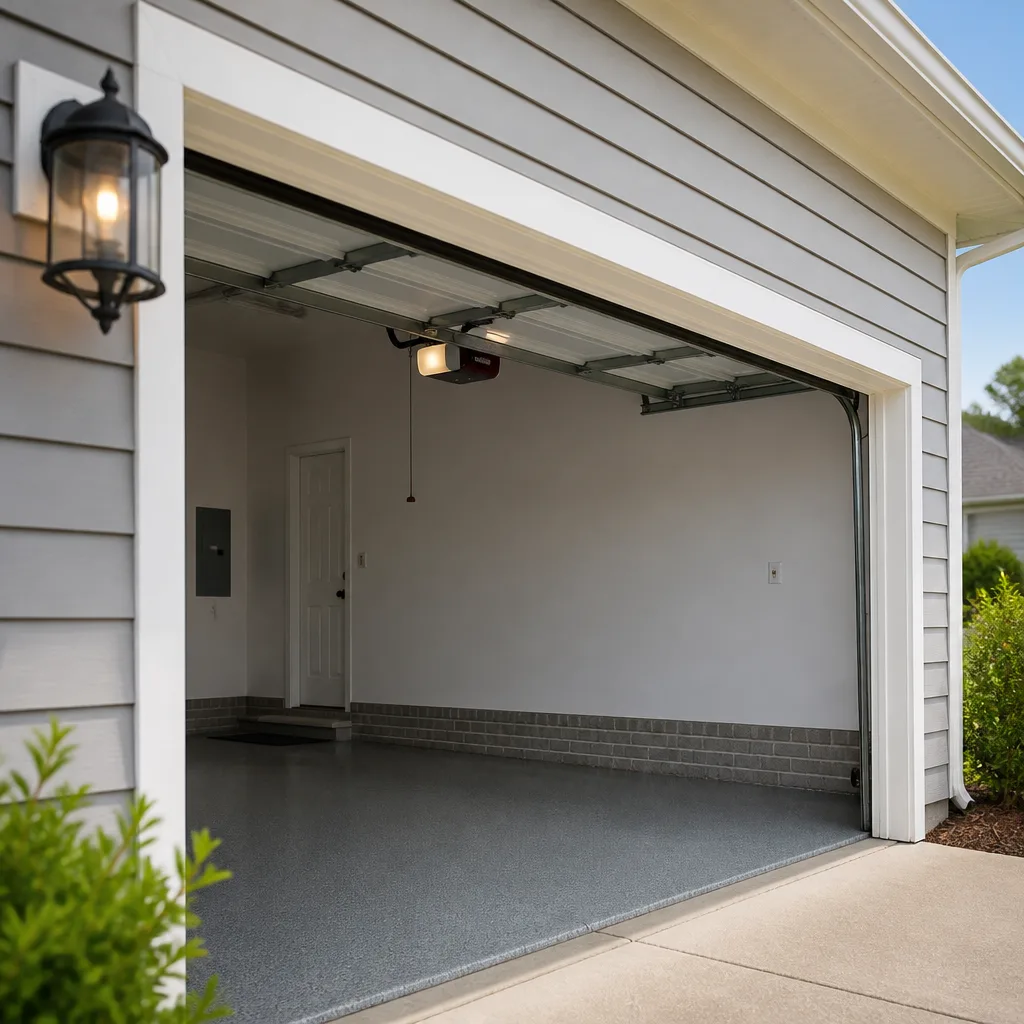
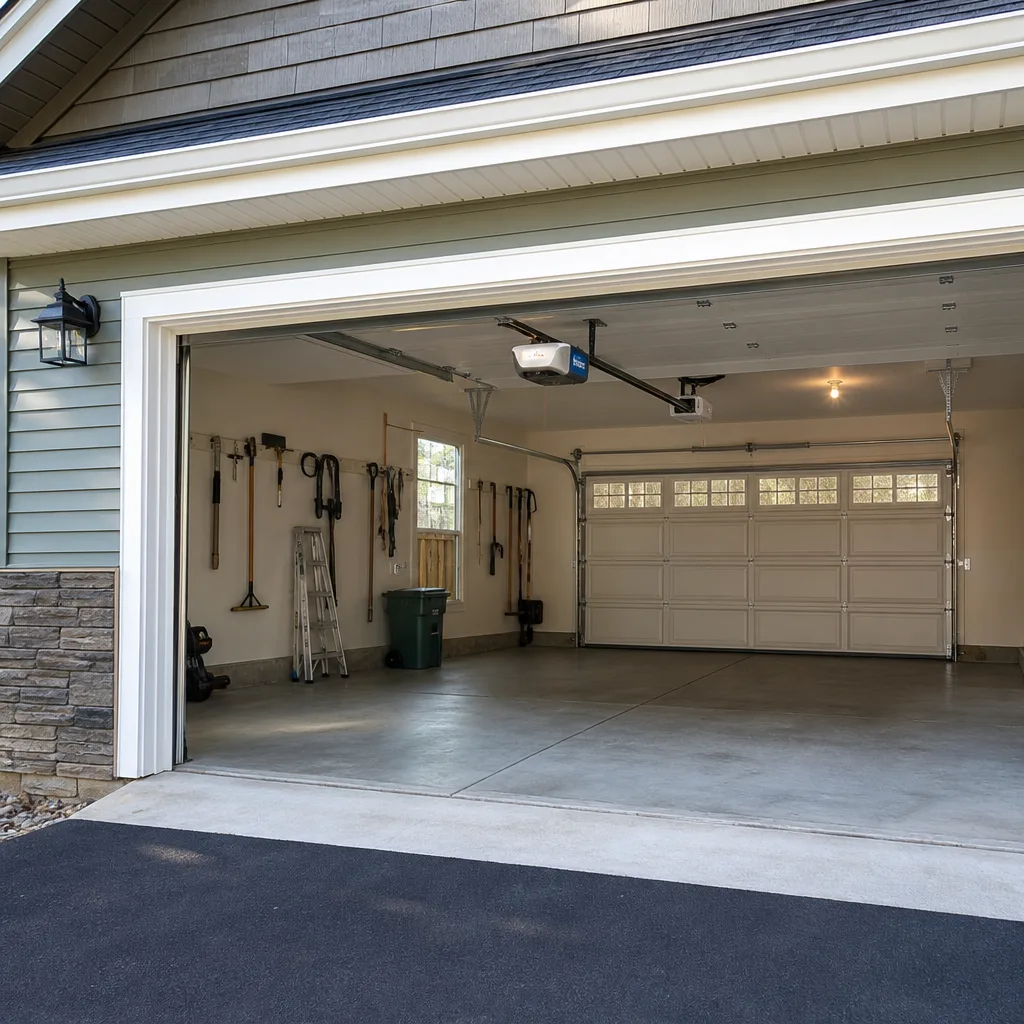
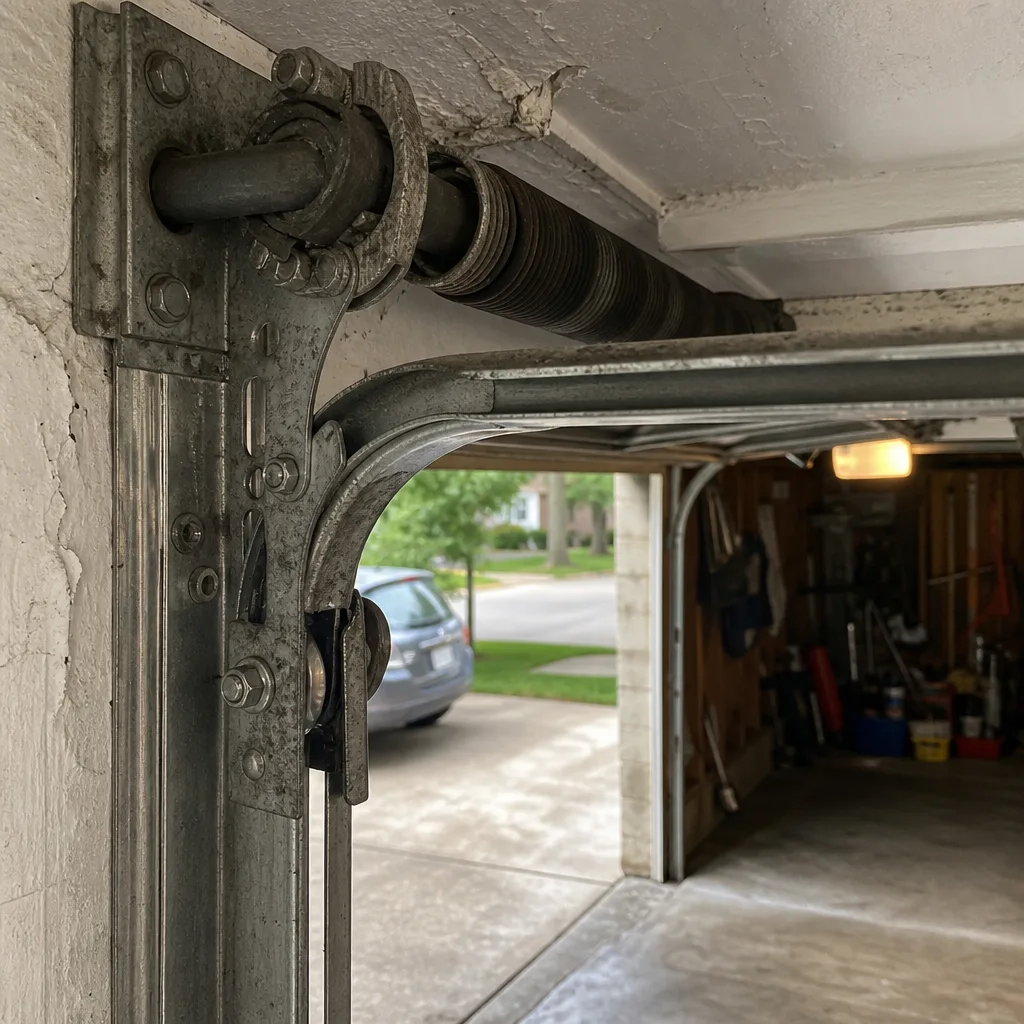 Before
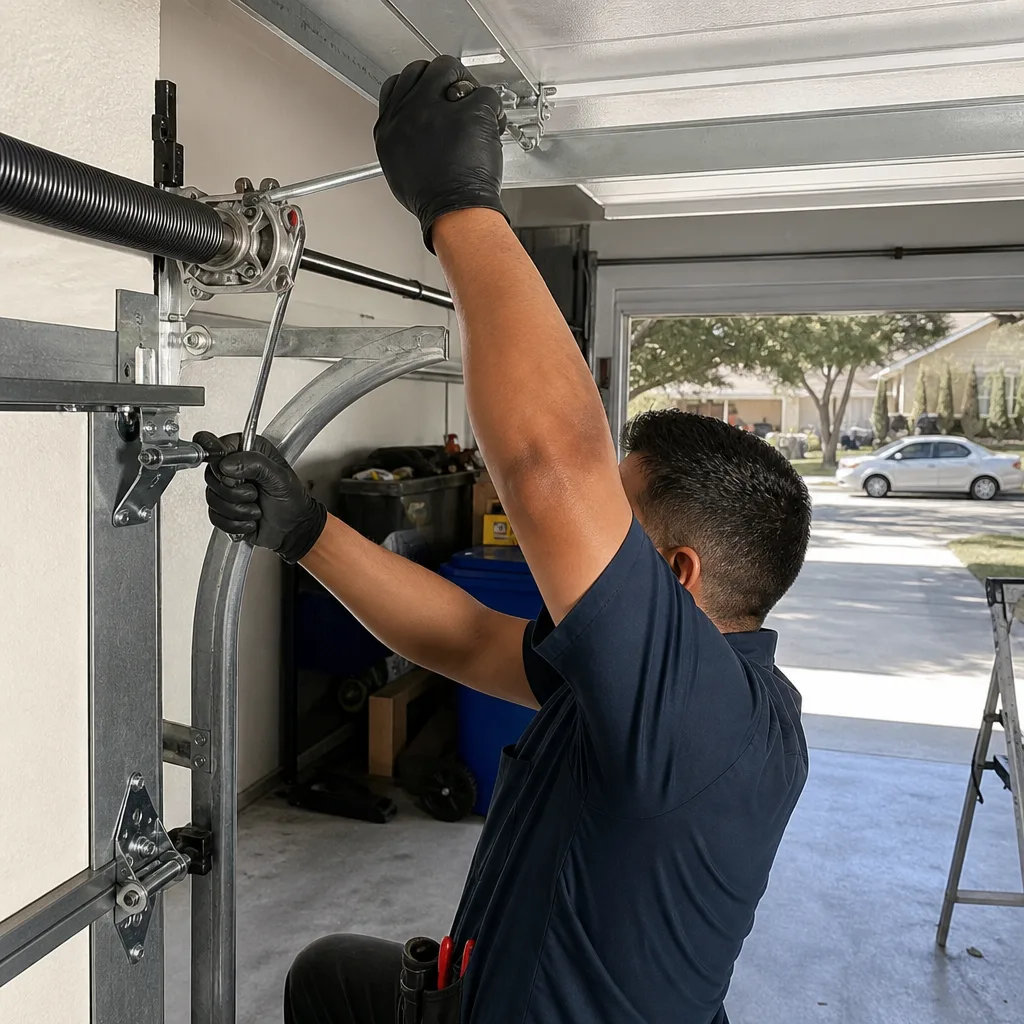 After
After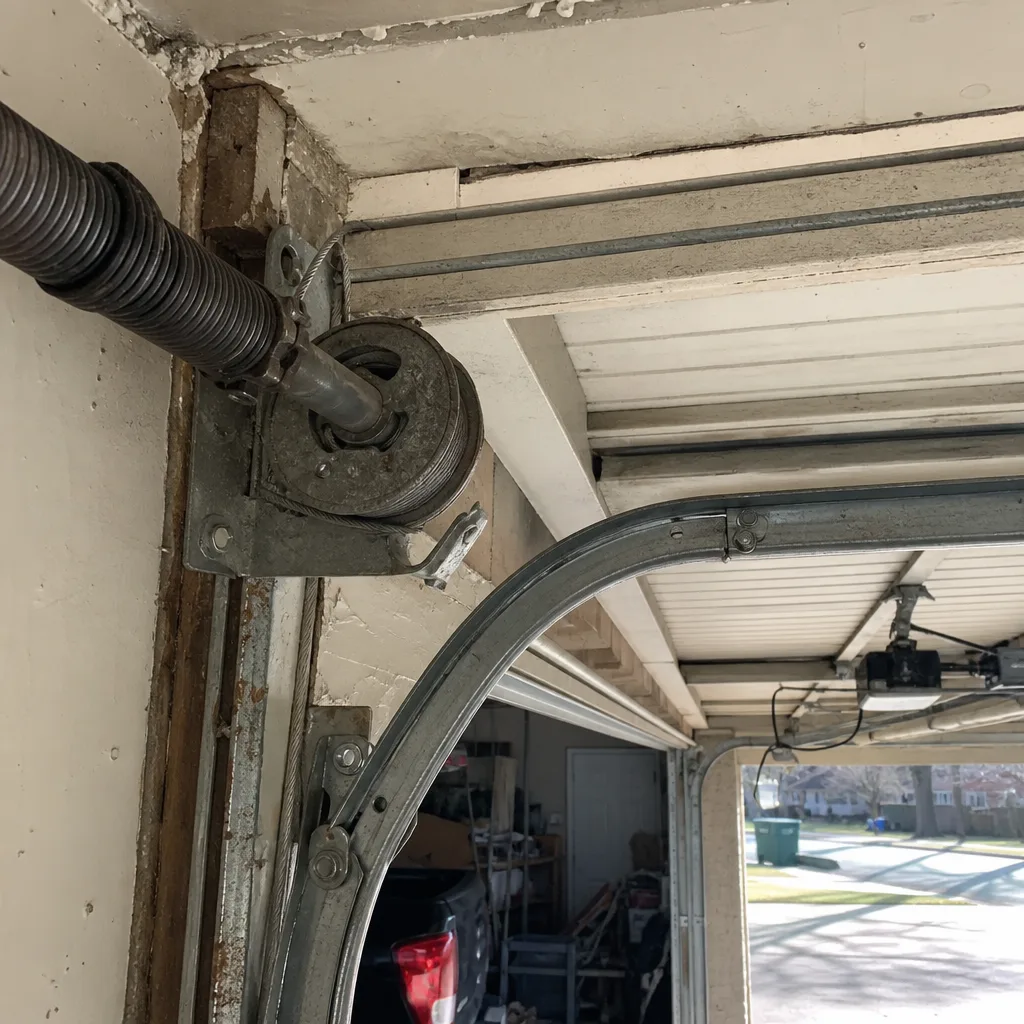 Before
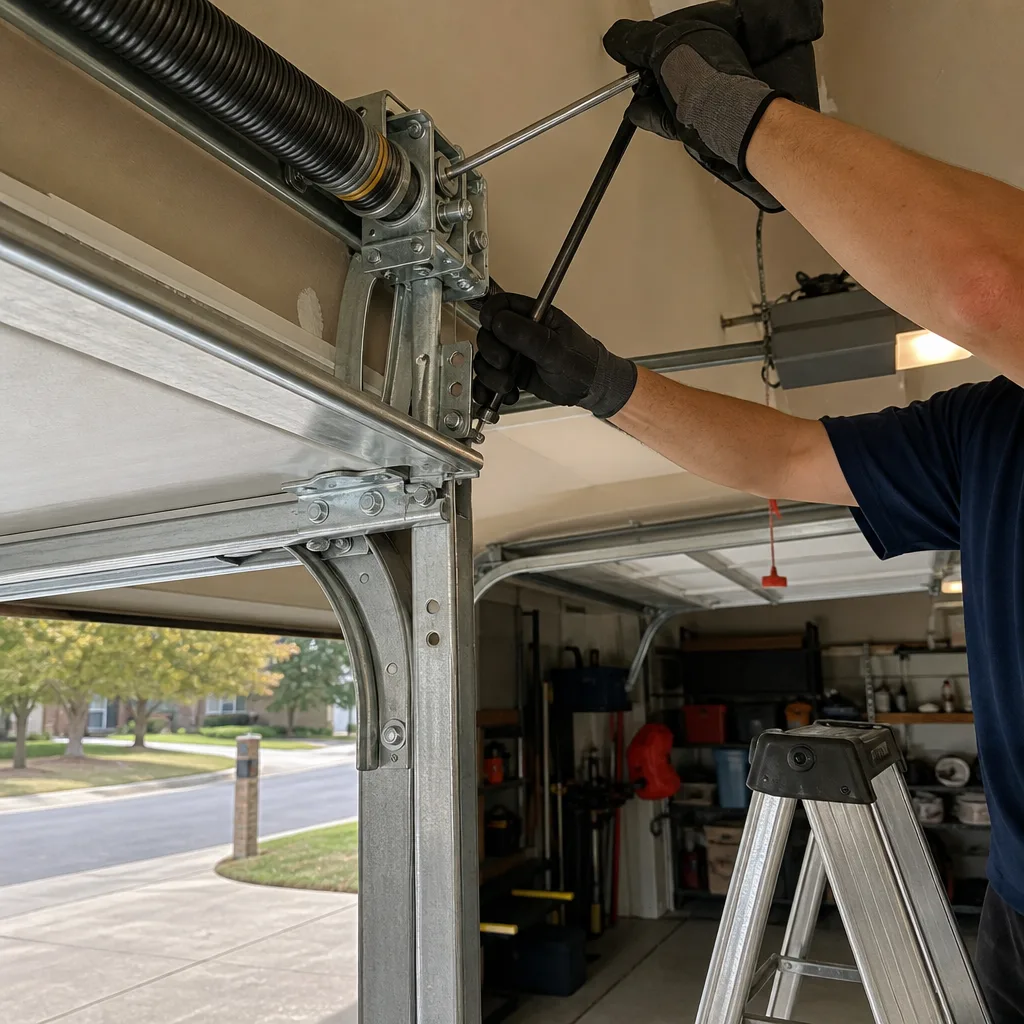 After
After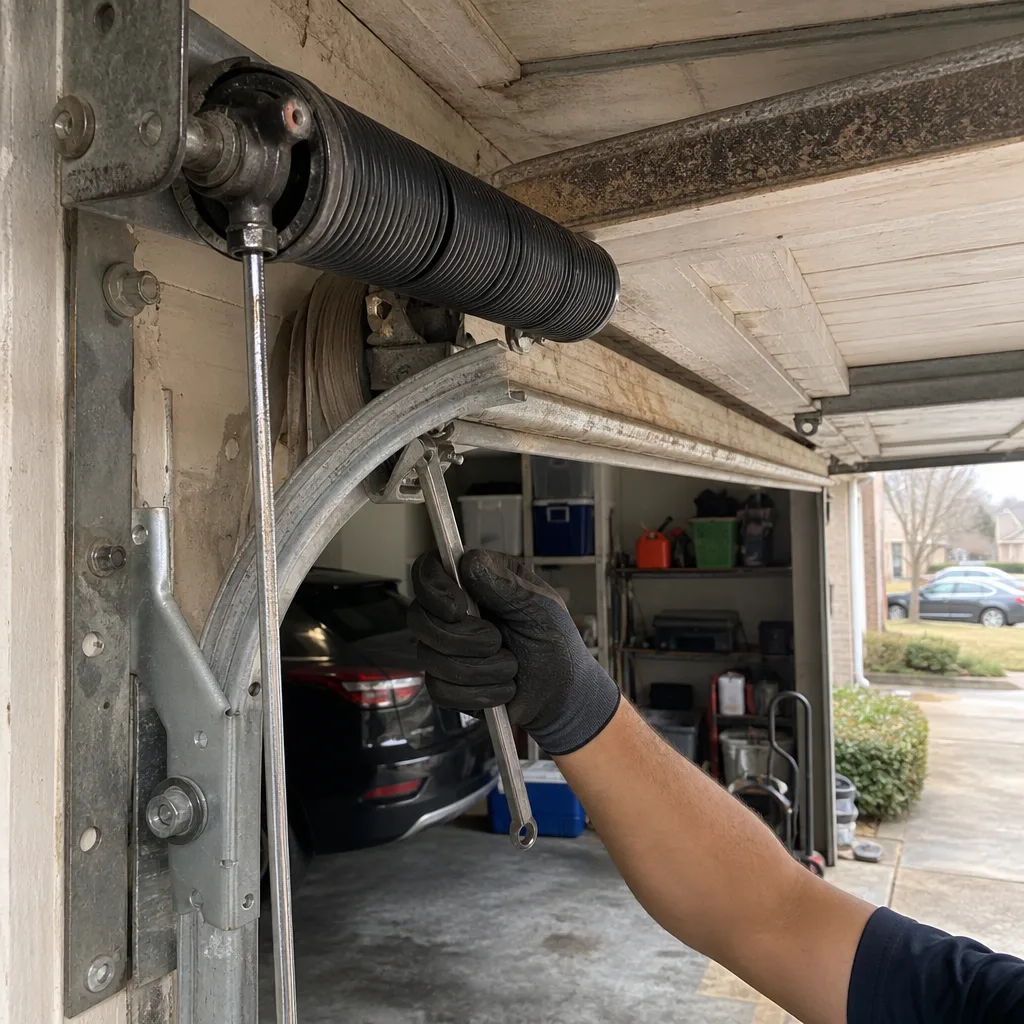 Before
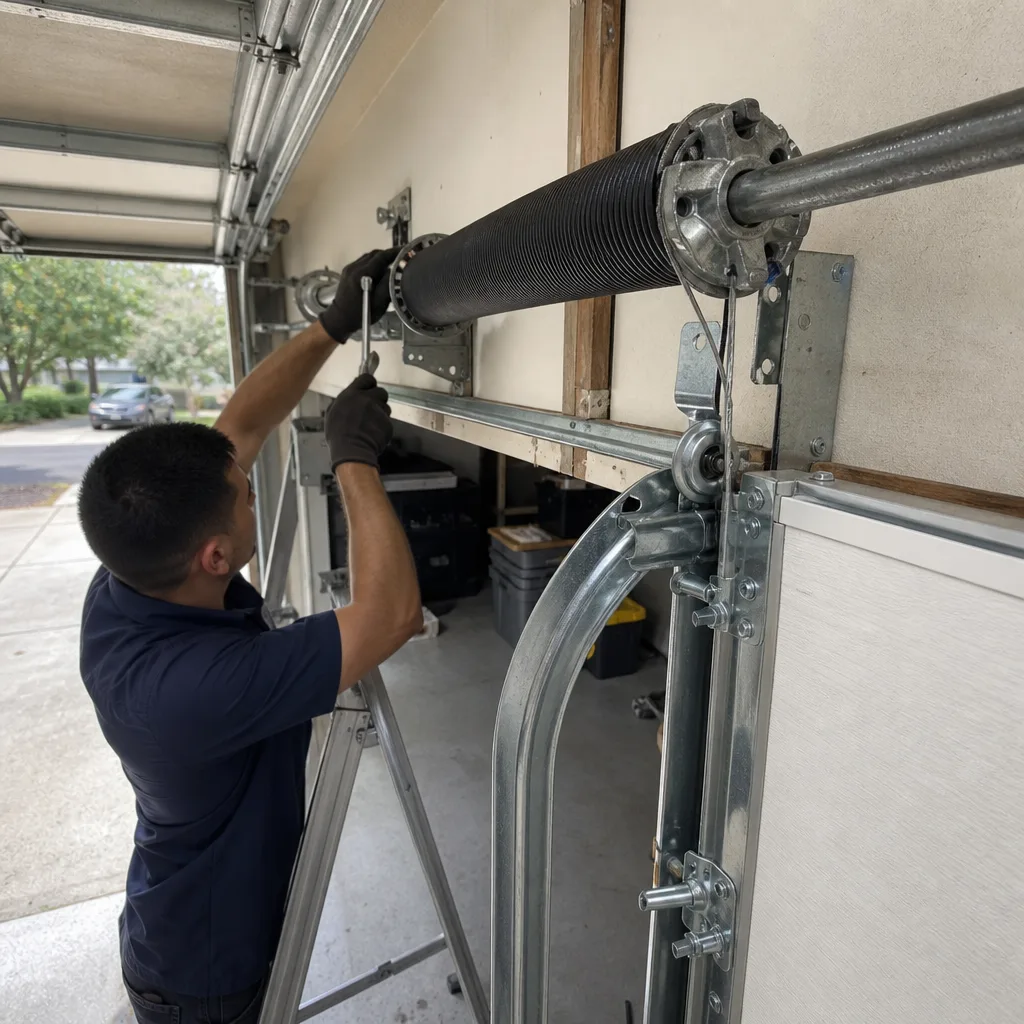 After
AfterClopay Roller Replacement: The Dallas Owner’s Guide
Clopay roller replacement in Dallas typically runs $110 to $220 installed, and we keep the common sizes on the truck so most jobs are done in one visit. The part that usually fails first on a Clopay door is the roller bearing, not the wheel itself. You’ll hear it before you see it: a rumble that starts in one corner and spreads, or a grinding sound like gravel in a coffee can every time the door moves. Some owners describe it as the door feeling “heavy” or the opener sounding like it’s working harder than it used to. That’s the bearing telling you it’s done.

What most people don’t realize is that worn rollers force the opener to drag 150 to 200 pounds of door along a track with metal-on-metal friction. That’s how a $12 part turns into a $300 opener repair. We’d rather catch it at the roller stage.
Which Clopay Models This Applies To
This covers the residential Clopay lines you see across Dallas garages: the Classic, Gallery, Coachman, Bridgeport, and Reserve series, plus the older Intrepid and Premium lines that are still running in Lakewood and Casa View homes from the 1990s. Clopay residential doors use either 2-inch or 3-inch nylon rollers depending on the model and weight rating. The 2-inch rollers show up on standard single and double doors under 10 feet wide; the 3-inch rollers are on the heavier doors, usually 16 feet and up, or anything running glass panels or insulation layers that add dead weight.
Here’s the gotcha most people miss: Clopay specifies stem length differently than generic hardware-store rollers. A universal roller from the big box store often has a 4-inch stem. Many Clopay hinges need a 4.5-inch or longer stem to seat correctly, especially on the stamped steel hinges in the Classic series. If the stem’s too short, the roller binds at an angle, and the new roller wears out in a year. That’s the single biggest reason we replace “new” hardware-store rollers on Clopay doors. We stock genuine Clopay-compatible rollers in both sizes, plus quality aftermarket equivalents with sealed bearings that often outlast the originals for less money. Otto’s Garage Door is an independent service provider and not affiliated with Clopay, but we match their specs because that’s what keeps the door running right.
If you’re not sure which roller you have, look at the bottom bracket and the first hinge from the bottom. Worn rollers lose their shine; the nylon wheel gets flattened or gouged along the edge. Or just call us and read the model number off the label on the door section near the bottom corner. We’ll tell you exactly what you’re looking at.
Signs Your Clopay Roller Is Failing
- A rumble or grinding noise when the door moves. This is the classic first sign, and it’s the ball bearings inside the wheel losing their grease and starting to chew themselves up. It gets louder over time, and it doesn’t fix itself.
- The door shudders or wavers side to side as it travels. A roller with a worn bearing allows the wheel to wobble on the stem. The door stays on track, but it shakes the whole rail, and that vibration loosens hinges and bolts you won’t check until something falls off.
- A flat spot or chip on the nylon wheel. Dallas heat hardens the nylon over time, and once the wheel takes a flat spot it slaps the track on every pass. You can feel this from inside the garage: the door jerks at the same spot in the cycle every time.
- Metal shavings or dark dust under the track. That’s not normal wear and tear. It’s the bearing housing grinding itself down. If you see it, stop running the door and call us; running it longer scores the track and turns a roller job into a track job.
- The door is suddenly louder when opening than closing, or vice versa. That asymmetric noise usually means one roller is gone and the door is loading unevenly on the other side. The remaining rollers take double the load and fail in quick succession.
Replacement Cost & What’s Included
In Dallas, expect to pay $110 to $220 for full Clopay roller replacement depending on how many rollers the door has, what size they are, and whether any hinges have worn out along with them. A standard 7-foot or 8-foot residential door has 10 to 12 rollers. We quote the price for parts and labor together, not separately, and we include a look at the hinges, tracks, and cable condition while we’re at it since a roller failure rarely happens in isolation.
The range breaks down like this:
- Standard 2-inch roller set (10-12 rollers), single door: $110-$150
- 3-inch heavy-duty roller set for wider or insulated doors: $160-$220
- Add a rusted or bent hinge replacement: $15-$30 per hinge
Every roller job comes with our 90-Day Done Right Promise in writing. If a roller fails or the door doesn’t run smooth, one call brings Otto back, no runaround. And the price we quote on the phone is the price on the invoice. If we get there and find something unexpected, we stop, show you, and agree on a number before any work continues. You’ll never get a surprise total at the end.
DIY or Call Us?
Rollers on extension-spring doors can sometimes be swapped by a careful homeowner with a pry bar and patience. But here’s where it goes wrong: most Clopay doors in Dallas run on torsion springs, and bottom-bracket rollers sit directly under that tension. The bottom roller on each side is mounted on a bracket that’s under constant spring load. That bracket is not a beginner’s job. If the cable slips while it’s loosened, the spring unwinds fast enough to take off a finger or worse. We’ve fixed doors for people who tried it and got lucky, and we’ve fixed doors for people who didn’t.
What you can safely do is inspect: look at the rollers, listen to the door, check for flat spots. If the wheels look worn or the door shakes, call (972) 736-9689. We’ll quote the repair on the phone and hold it when we show up.
FAQs
Expect 5 to 8 years out of original Clopay nylon rollers in the Dallas climate, less if the door faces west and takes full afternoon sun. Heat bakes the grease out of the bearings, and once they run dry, the wear accelerates fast. Our upgraded sealed-bearing rollers typically run 10 years or more. Call (972) 736-9689 and we’ll tell you what yours have left.
No. Roller bearings are sealed units, and once they grind, there’s nothing to rebuild. A new roller is the only fix, and it’s one of the cheapest parts on the whole door. Replacing all of them at once usually costs less than doing them one at a time over two years. We’ll quote the full set so you can decide.
About 60 to 90 minutes for a standard door, all 10 to 12 rollers replaced and the door rebalanced and cycled to check it. We carry 2-inch and 3-inch Clopay-compatible rollers on the truck, so there’s no “we’ll order it and come back.” We get it done in one visit.
We stock them. Otto’s trucks carry Clopay-compatible rollers in both common sizes, plus the hinge and bracket hardware that typically needs attention at the same time. We also keep parts on hand for LiftMaster, Chamberlain, and Genie openers, so if your opener has been overworking because of bad rollers, we can check it while we’re there. Call (972) 736-9689 and ask what we have on the truck today.
Call Otto’s Garage Door for Clopay Roller Replacement in Dallas
Otto Reinhardt has been working on garage doors in North Texas since 2004, learning the trade hands-on before putting roots down in Dallas. We’re the shop where a live person answers, 24/7, and the quote you get on the phone is the price you pay at the door. If it’s not right, we’re back until it is. That’s not a policy, that’s just how we do business.
Call (972) 736-9689 for a free estimate on Clopay roller replacement in Dallas. We serve the whole city and the surrounding communities, and we’ll tell you straight what your door needs and what it costs.
Written by Otto Reinhardt, Owner, Otto’s Garage Door - Dallas, TX at Otto’s Garage Door, serving Dallas and nearby areas.