
Last updated September 10, 2026
Full 25-point door and opener safety check with every visit - springs, cables, rollers, tracks, and your LiftMaster or Chamberlain opener included
You get a price before we start. It does not change when the truck arrives.
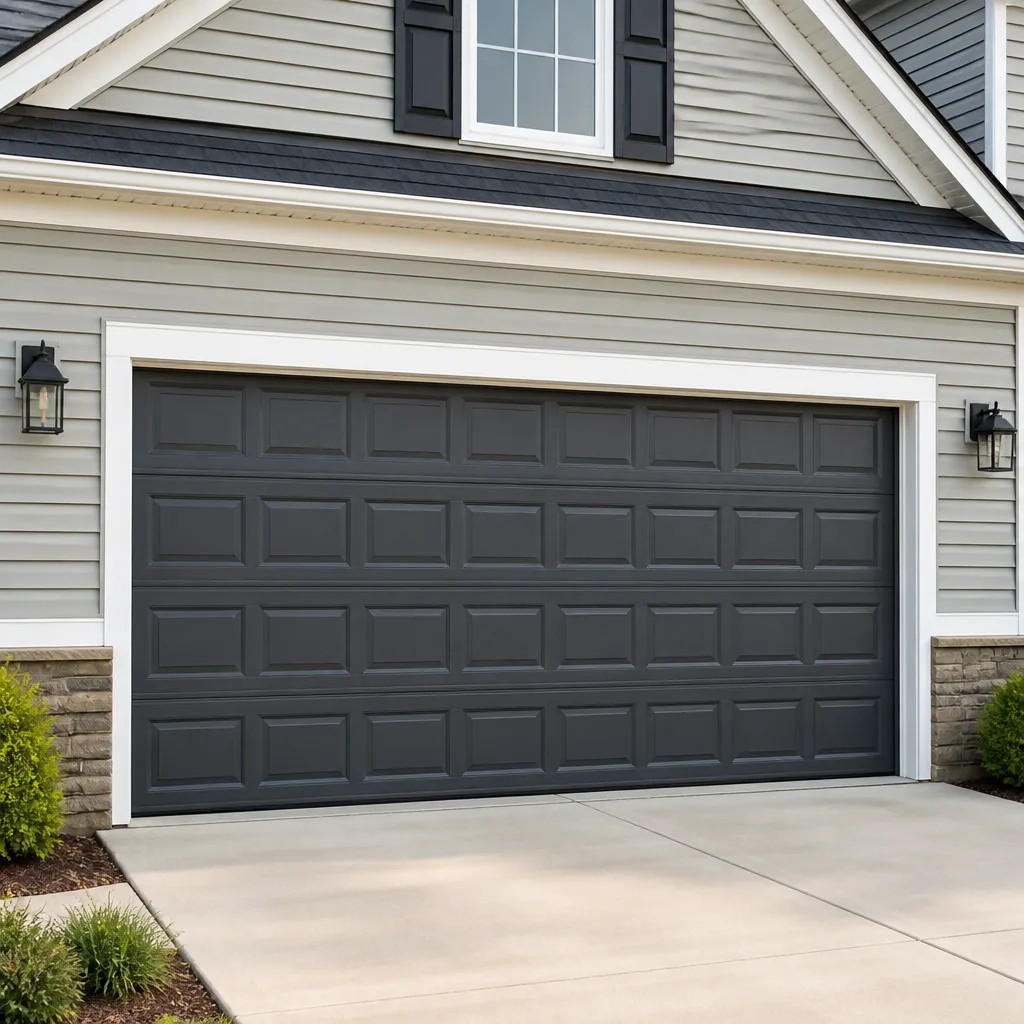
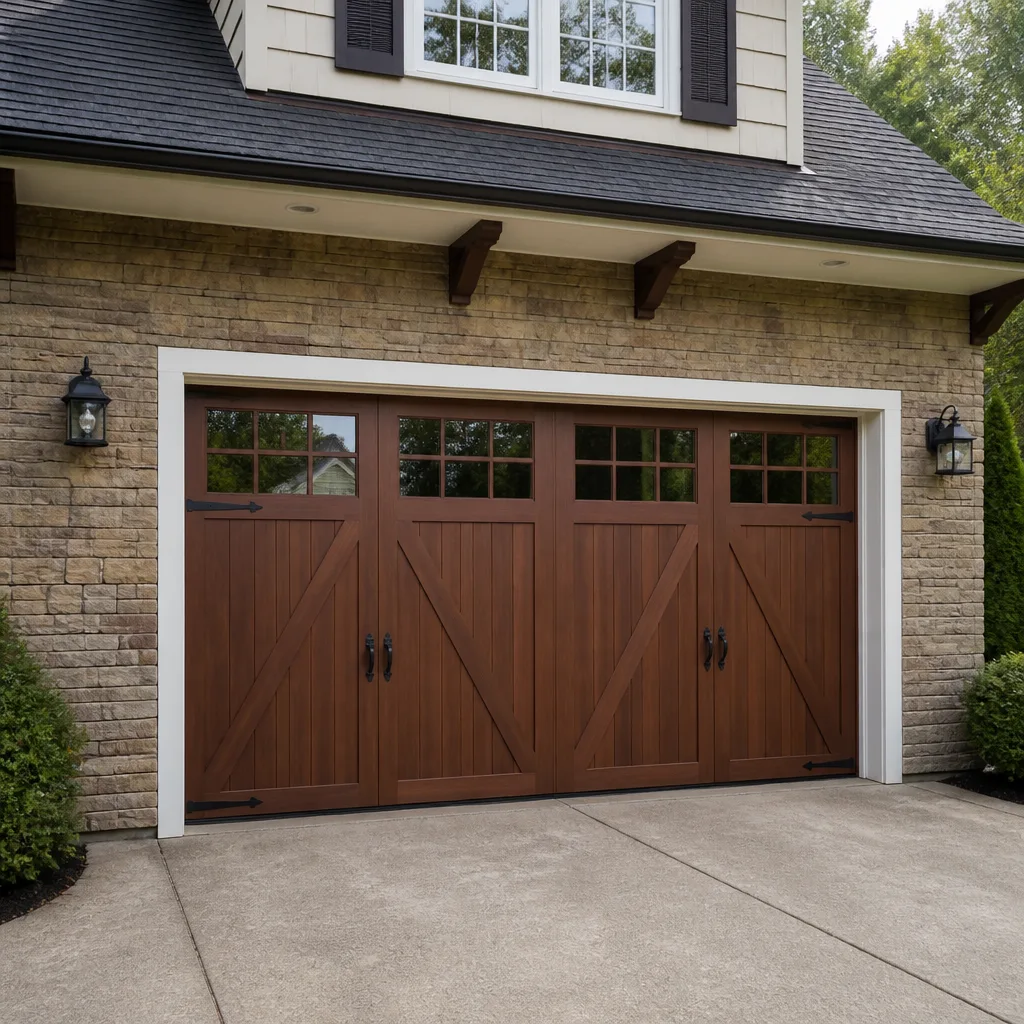
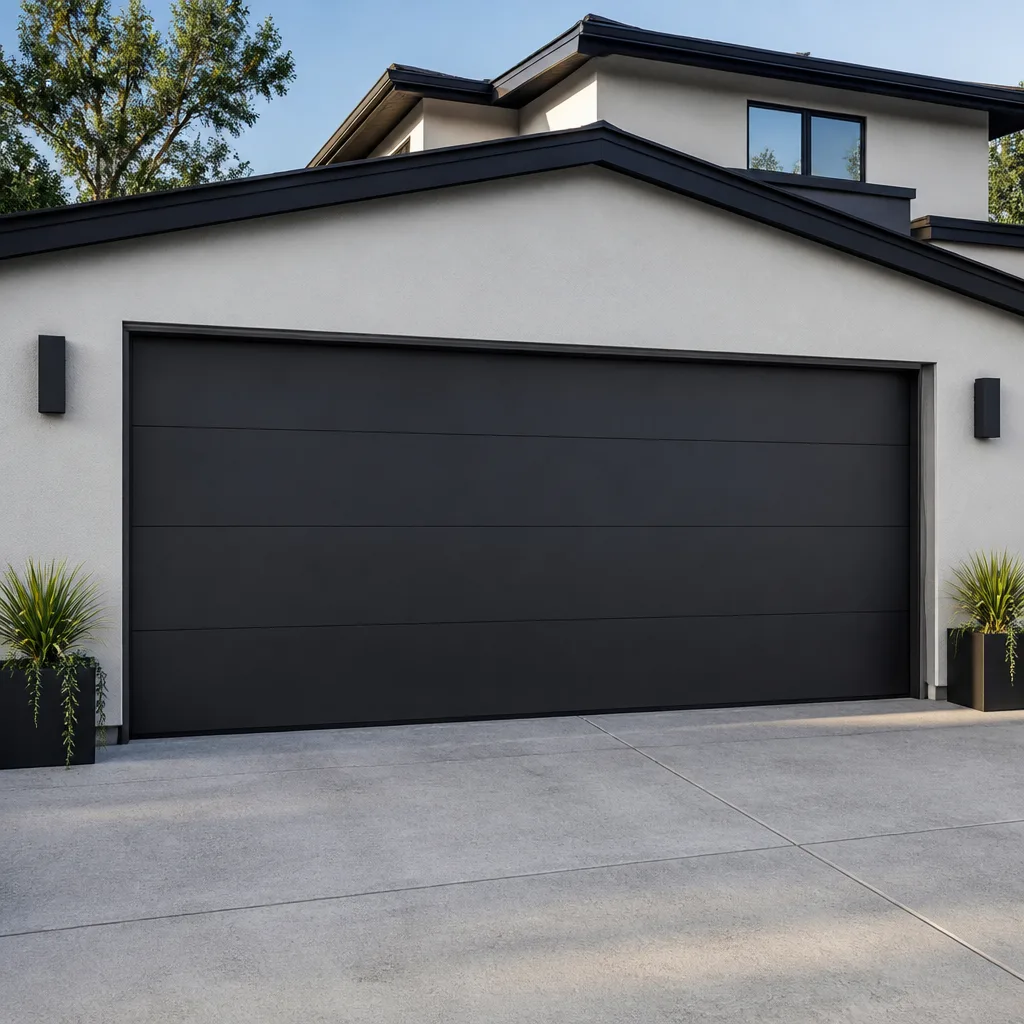
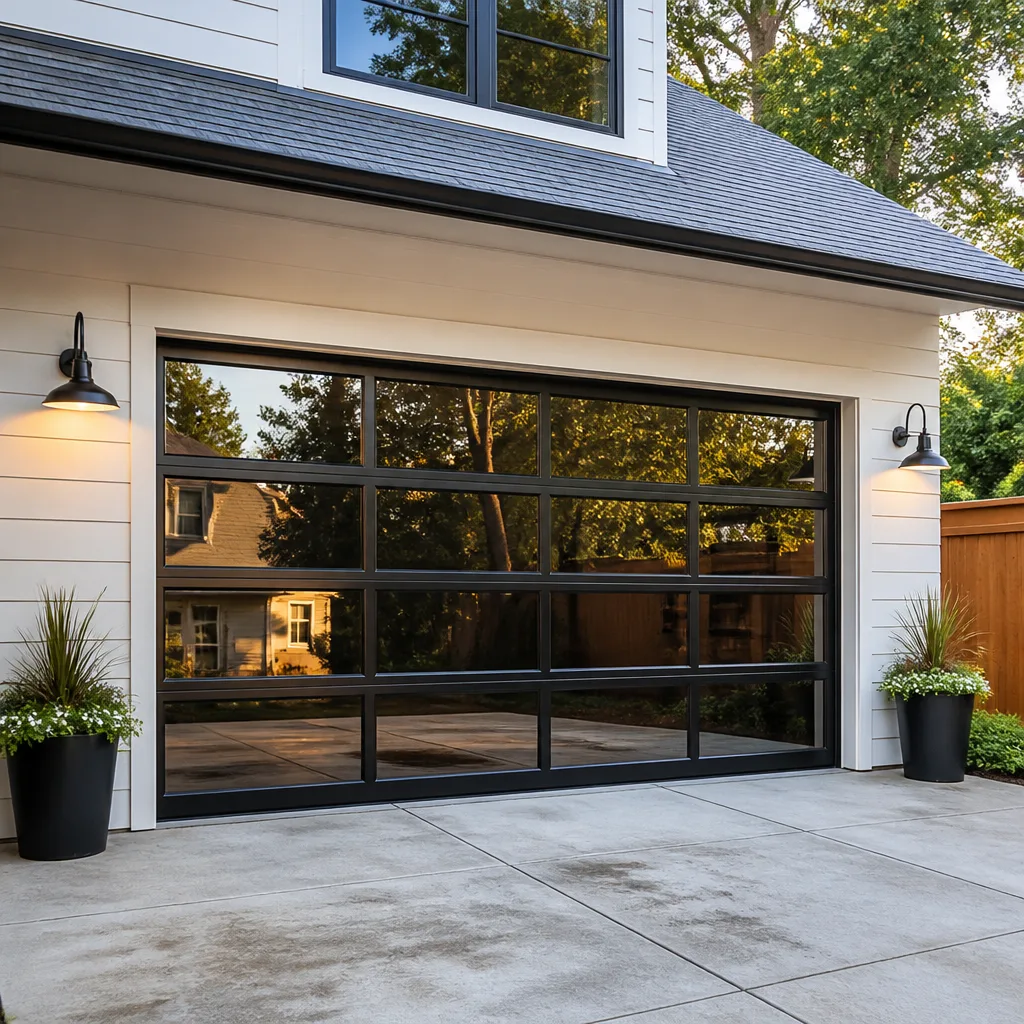
 Before
 After
After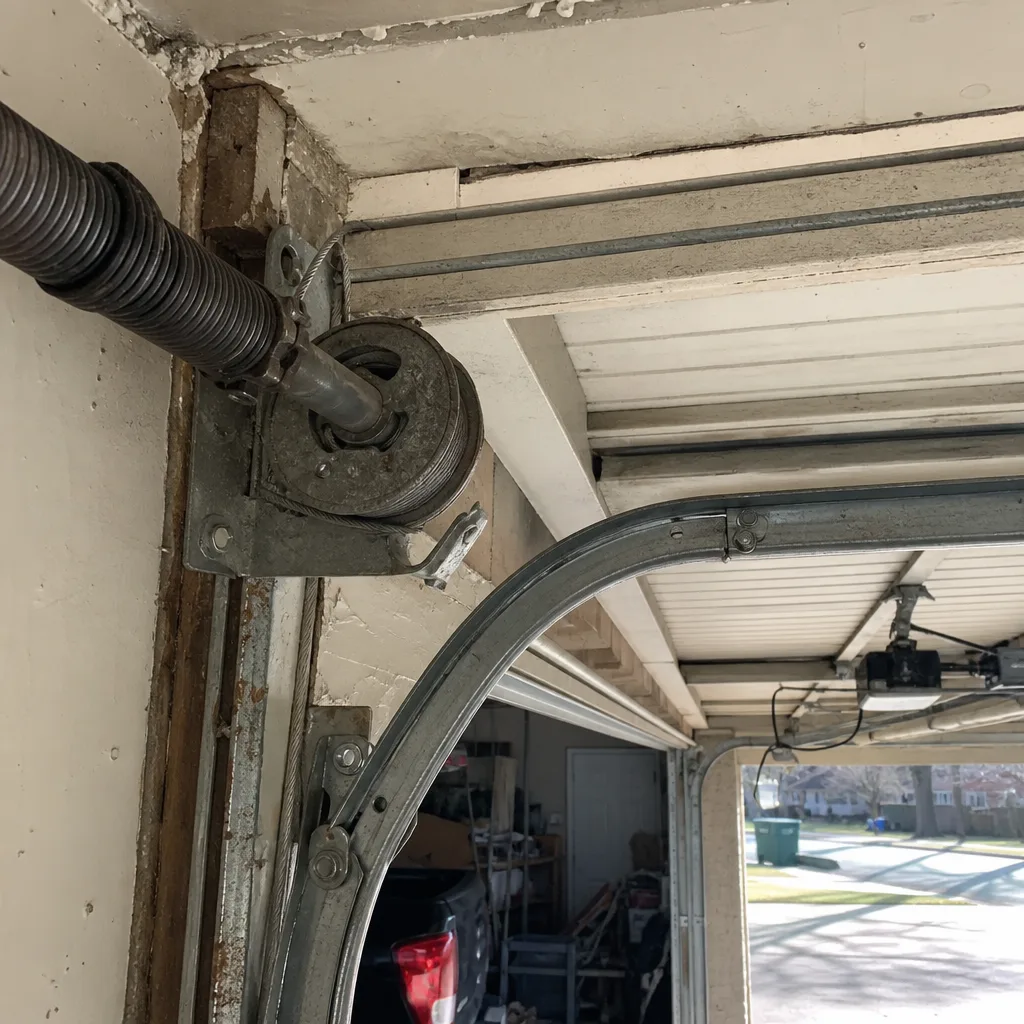 Before
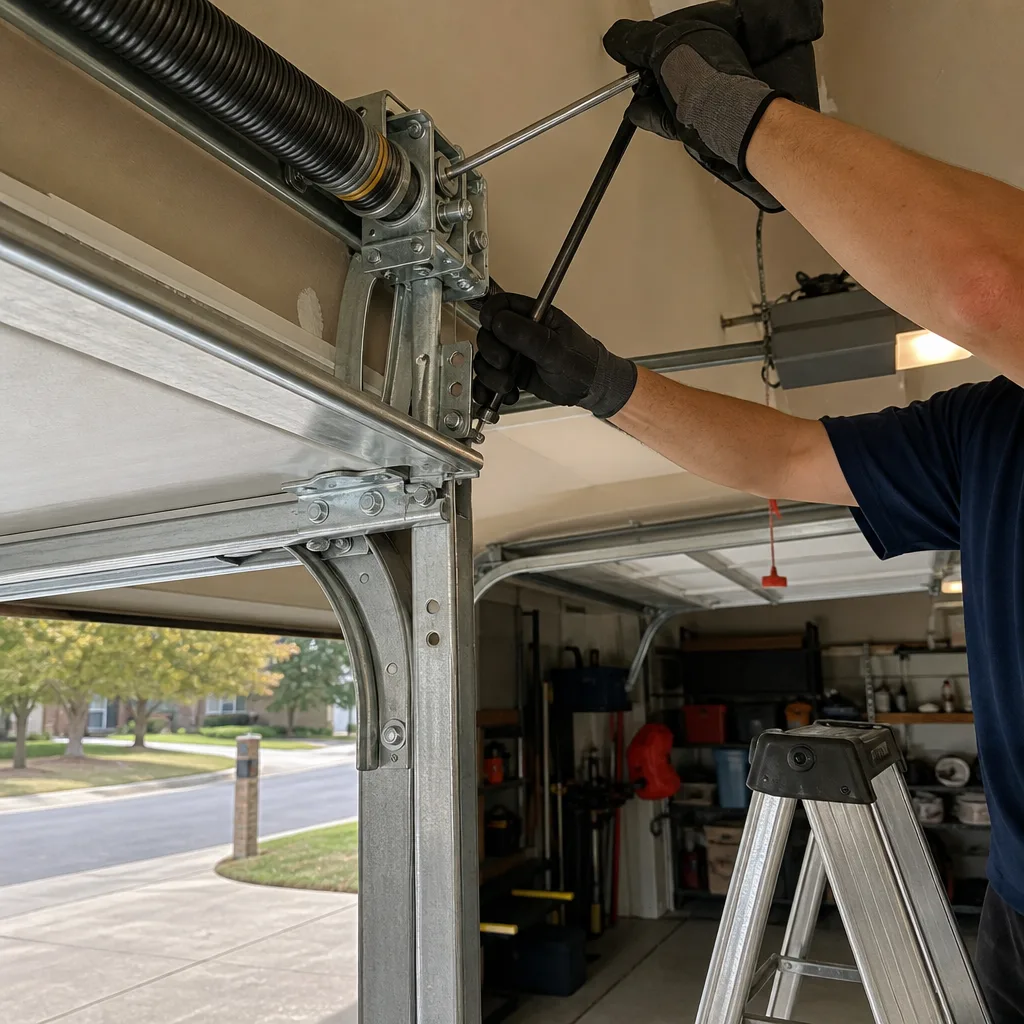 After
After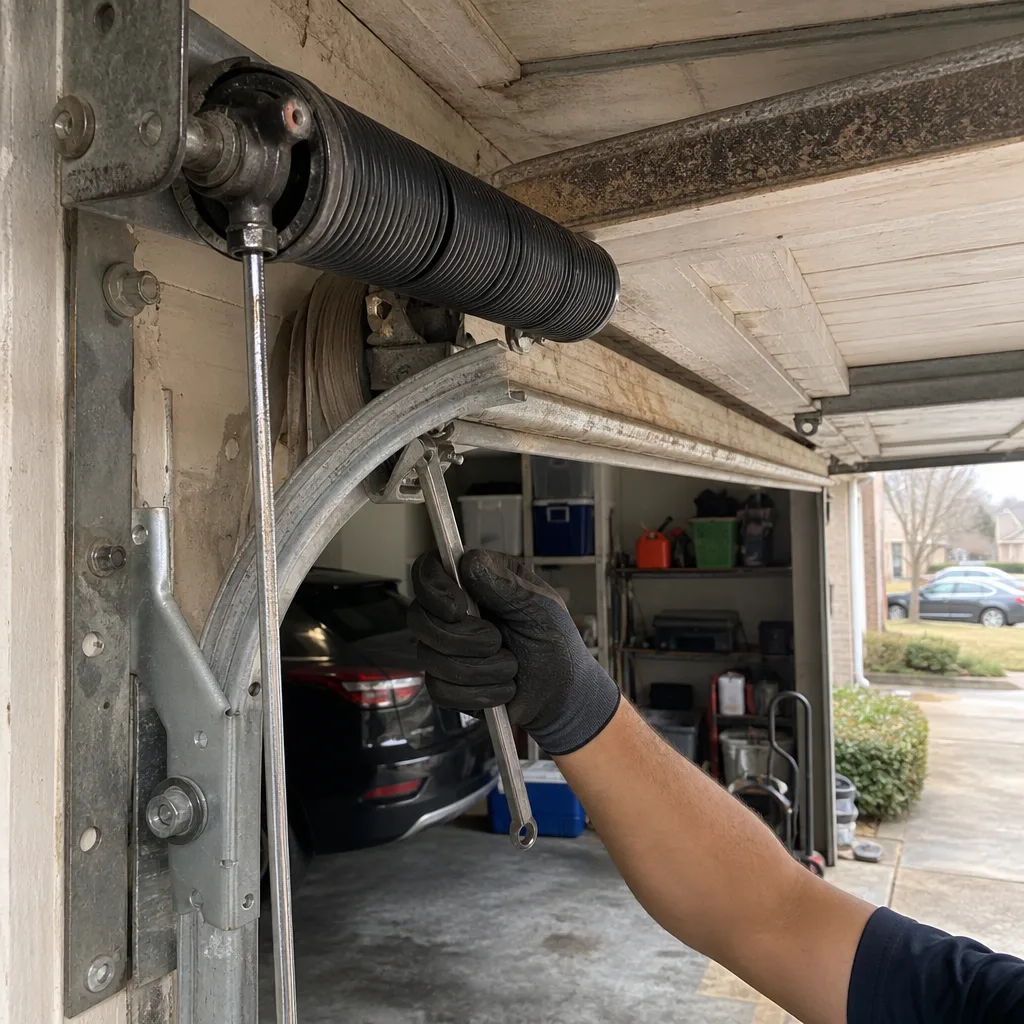 Before
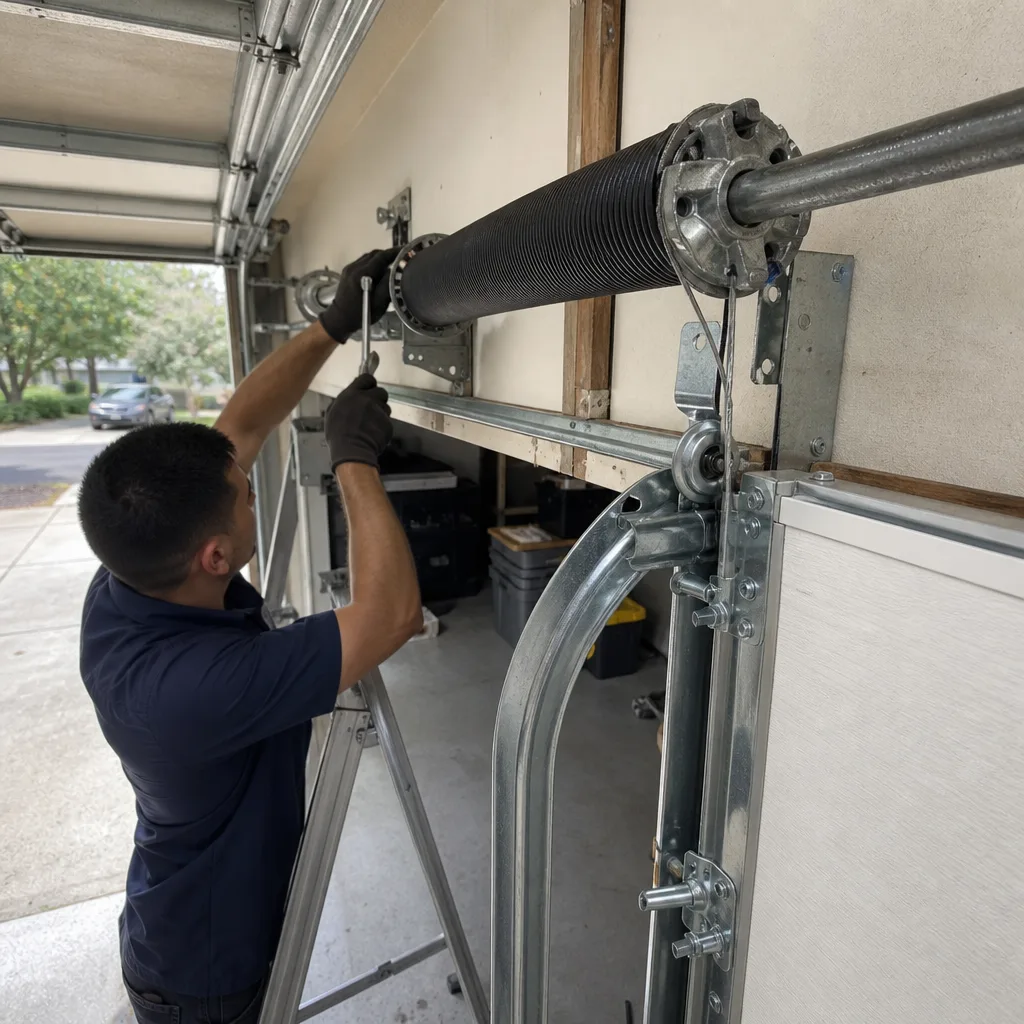 After
AfterGarage Door Warning Signs: A Dallas Homeowner’s Reference Guide
A snapped torsion spring doesn’t announce itself. It just happens, usually on a Monday morning when you’re already running ten minutes late, and it takes the door down with it. But here’s what nobody tells you: that spring spent six months warning you first. It creaked, it strained, it hesitated. You heard the warnings and didn’t know what they meant. This guide teaches you to read those signals before they turn into a $900 emergency call and a bent panel, and you can find The Complete Guide to Garage Door in Dallas for deeper coverage of every component. We’ve been fixing garage doors in Dallas since 2004, and we’ve seen every warning sign this city’s heat and shifting soil can produce. By the time you finish reading, you’ll know which noises mean “call this week” and which ones mean “stop using the door today.”
Quick Answer
Garage doors almost never fail without warning. The most common signs a Dallas homeowner should watch for are grinding or screeching during operation, a door that hesitates or reverses mid-cycle, visible cable fraying near the bottom roller brackets, and a door that looks crooked when opening. If your door makes a loud bang or the spring has a visible gap, stop using it immediately and call a professional.
Table of Contents
- The Spring Sounds: What’s Normal and What’s a Countdown
- Cable Fraying: The Sign Everyone Misses Until It’s Too Late
- Crooked Doors and Uneven Gaps: The Foundation Connection
- Opener Strain: Why the Problem Is Almost Never the Opener
- Dallas Heat and Your Door: What the Summer Does to Springs and Rollers
- The Response Time Tier System: Today, This Week, or Next Tune-Up
- How to Safely Operate a Failing Door and Get Your Car Out
The Spring Sounds: What’s Normal and What’s a Countdown
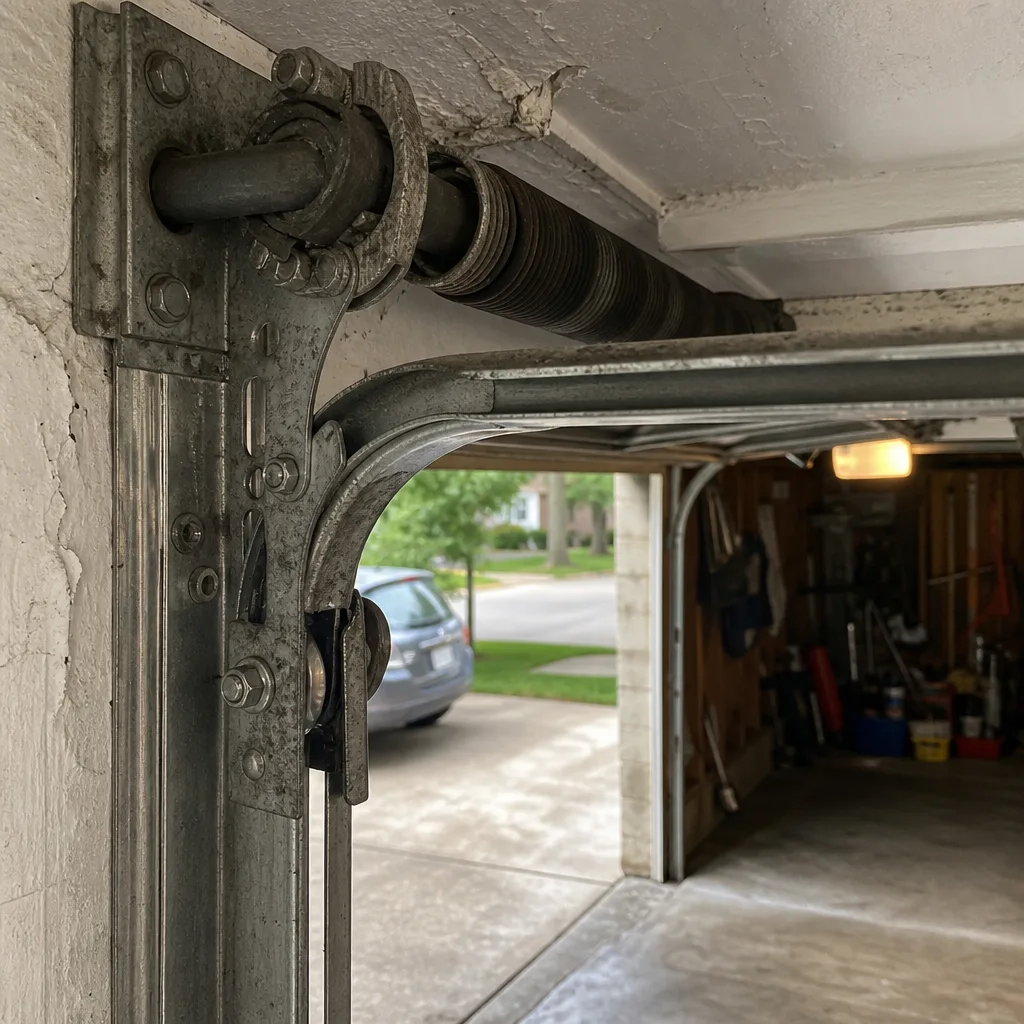
Your garage door springs do the heavy lifting. A standard residential door weighs between 150 and 250 pounds, and the springs counterbalance that weight so the opener only has to guide it, not lift it. When those springs start wearing out, they talk to you. The problem is most homeowners don’t speak the language.
Here’s what we hear on service calls across Dallas neighborhoods, from Oak Cliff to Richardson to Mesquite, and what each sound actually means:
A Single Creak When the Door Moves
One creak at the top of the cycle, every time, like an old floorboard. That’s usually a roller wearing against the track or a hinge that needs lubrication. It’s annoying, but it’s not dangerous. You have weeks or months to address it. In Dallas, where our dry summers suck the moisture out of everything, metal-on-metal creaks show up faster than they do in humid climates, which is why we put together our Seasonal Garage Door Care for Dallas: Year-Round Homeowner’s Guide. A little white lithium grease on the rollers and hinges usually quiets it down. If the creak persists after lubrication, the roller itself is likely worn and should be replaced before it starts dragging metal shavings into the track.
A Loud Bang at the Start of the Cycle
This is the one that makes people jump. The door starts moving and there’s a sharp pop or bang, like someone hit the panel with a hammer. That sound is the door releasing from the track or a spring seating itself after slipping. It is not normal, and it is not something to wait on. A bang on startup can mean the spring is losing tension unevenly, which puts lateral force on the cables and track. In our experience, doors that bang on startup are usually within a few weeks of a cable jump or a spring failure. If you hear this, stop using the door and call someone who knows what they’re looking at.
A Grinding or Rumbling Sound
Grinding means metal is rubbing against metal under load. Unlike a creak, which you can live with, grinding is actively wearing something down. Most often it’s the rollers, especially if you have metal rollers instead of nylon. Metal rollers on a steel track in a Dallas garage that hits 110 degrees in August will grind. The fix is usually replacing the rollers with nylon ones, which run quieter and don’t chew up the track. Sometimes grinding comes from the spring itself, which is more serious. A spring that grinds is a spring that’s losing its internal lubrication and will eventually snap. We see this more often on doors that are 12 to 15 years old.
The takeaway: a creak is a request for maintenance. A grind is a warning. A bang is an emergency. If you’re hearing a bang, call (972) 736-9689 before you use the door again.
Cable Fraying: The Sign Everyone Misses Until It’s Too Late
Garage door cables are the unsung workhorses of the system. They’re wound around a drum at the top of each side and attached to the bottom of the door. When the spring counterbalances the door, the cables keep it level and guide it up and down the track. When a cable fails, the door drops on that side, usually bending a panel or pulling the track off the wall. Cable failure is one of the most expensive non-spring failures because the collateral damage is immediate.
The frustrating part is that cables almost always show visible wear before they break. You just have to know where to look and what you’re looking for.
What a Failing Cable Actually Looks Like
Stand inside your garage with the door closed and look at the lower outside corners. That’s where the cable attaches to the bottom bracket. A healthy cable is smooth and uniformly colored. A failing cable shows one or more of these signs:
- Broken strands - tiny wires sticking out from the main cable, like a frayed shoelace. One or two broken strands is the earliest warning. It means the cable is under uneven stress and will continue to unravel.
- Flattening - the cable should be round. If it’s starting to look flat where it wraps around the bottom bracket, it’s been crushed and the internal wires are compromised.
- Rust - surface rust on cables is common in Dallas because of our humidity swings. A little surface rust is okay. Deep rust that flakes off when you touch it means the cable has lost structural integrity.
- Kinking - if the cable has a visible bend or kink that doesn’t straighten out, the internal strands are damaged. A kinked cable is a broken cable waiting to happen.
Why Most Homeowners Never See It
The angle matters. Cables sit in the shadow of the track, and you have to look at them from the side, not straight on. Most people stand back and look at the door as a whole. They see the panels, the springs, the opener. They don’t crouch down and look at the bottom corner brackets. But that’s exactly where the failure starts. We’ve walked up to doors in Plano, Garland, and throughout Dallas where the cable is 60 percent frayed and the homeowner had no idea. The door was still working because the spring was carrying most of the load, but the cable was one heavy cycle away from letting go.
If you see any of the signs above, don’t try to fix the cable yourself. The cable is under tension even when the door is closed, and a cable that snaps free can cut you. This is one of the situations where calling a professional isn’t just easier, it’s safer. Garage Door Repair in Dallas handles cable replacements all the time, usually the same day.
Crooked Doors and Uneven Gaps: The Foundation Connection
Dallas sits on expansive clay soil. It shrinks in the dry heat and swells when it rains. Every home here moves a little, and your garage door feels that movement before almost anything else in the house. That’s why crooked doors and uneven gaps are a bigger deal in Dallas than they are in, say, Houston or San Antonio.
When the foundation shifts, the garage door frame can twist slightly. The door, which was perfectly square when it was installed, now has to operate in a frame that’s no longer square. The first sign is usually an uneven gap at the bottom of the door when it’s closed. One corner sits tight against the floor while the other has a visible gap that lets in light, bugs, and Dallas summer air.
What an Uneven Gap Actually Means
An uneven gap can mean one of three things:
- The door itself is out of level. This happens when one cable stretches or one spring loses tension before the other. The door hangs lower on one side, and the gap is visible even when the door is moving.
- The track has shifted. The track is bolted to the wall and the ceiling. If the wall has moved even a quarter inch, the track moves with it, and the door binds or sits crooked.
- The floor has settled. This is the classic Dallas problem. The concrete slab sinks on one side, so the door is actually level, but the floor isn’t. The door closes tight on one side and leaves a gap on the other because the floor is no longer flat.
The fix depends on which one you’re dealing with. A door out of level is usually a spring adjustment or a cable replacement. A shifted track can be re-shimmed. A settled floor is trickier; sometimes the answer is a taller bottom seal or a door adjustment, and sometimes it’s a bigger conversation about the foundation itself. What we can tell you from twenty years of working on Dallas garage doors: if the gap is new, address it sooner rather than later. Ignoring an uneven door puts extra strain on the springs and cables and turns a $200 fix into a $700 repair.
If you’re seeing an uneven gap, the first step is figuring out whether it’s the door or the floor. Otto’s Garage Door home has more information on what we check during a service visit, including foundation-related door issues.
Opener Strain: Why the Problem Is Almost Never the Opener
Homeowners call us all the time convinced their opener is dying. The door moves slowly, the opener groans, maybe the motor shuts off mid-cycle. They’re ready to buy a new opener. Half the time, the opener is fine. The door is the problem, and the opener is just trying to tell you.
A garage door opener is a motor with a gear. Its job is to move the door along the track. When the door is properly balanced, the opener only uses a fraction of its power because the springs are doing the heavy lifting. When the springs wear out or the rollers bind or the track gets gummed up, the opener has to work harder. It strains. It groans. It gets slower. And eventually, it burns itself out trying to do a job the springs should be doing.
Signs Your Opener Is Straining Because of the Door
- The door opens slower than it used to. A healthy door takes about 10 to 12 seconds to open fully. If yours is taking noticeably longer, something in the door is creating resistance.
- The motor sounds labored. A straining opener has a lower pitch, like the motor is working against a load. Compare it to the sound it made when it was new. If it sounds tired, it’s not the motor’s fault.
- The opener shuts off or reverses mid-cycle. Modern openers have force sensors that stop the motor if it encounters resistance. If your opener keeps reversing before the door hits the floor, it’s detecting resistance that shouldn’t be there.
- The opener runs but the door doesn’t move. This is usually a stripped gear, which happens after months of the opener working against a heavy, unbalanced door.
- Spring failure spikes in late summer. August and September are our busiest months for spring replacements in Dallas. The spring has been cycling through 100-degree days for three months, the lubricant inside the coils has dried out, and the metal has fatigued.
- Roller failure follows heat waves. When we get five straight days over 100 degrees, the plastic bearings inside cheap rollers get brittle. We see a wave of roller replacements the week after a heat wave.
- Door binding in the late afternoon. A steel door faces west and absorbs direct sun all day. By 5 PM, it can be 130 degrees on the outside surface. That heat expands the metal, and the door can bind in the track because the track hasn’t expanded at the same rate. Homeowners tell us the door “just won’t open” at 5 PM but works fine in the morning. That’s heat expansion.
- A visible gap in the torsion spring. If the spring looks like it has pulled apart into two pieces, it has snapped. The door is now holding itself up entirely on the cables and the opener, neither of which is designed for that load.
- A loud bang followed by the door refusing to open. The spring has failed. The opener cannot lift a door that heavy without help, and trying will strip the gear.
- A cable that’s hanging loose or visibly broken. A broken cable means the door is only supported on one side. Using the door will bend a panel or pull the track off the wall.
- A door that’s crooked while moving. If the door jerks or tilts as it opens, something under tension is about to let go.
- Fraying on a cable. The cable is damaged and will eventually break. It could be days or weeks, but it won’t heal itself.
- A grinding noise that’s getting worse. If the grinding is louder this week than last week, the wear is accelerating.
- A door that hesitates or labors on the way up. The springs are losing tension, which means they’re approaching the end of their cycle life.
- An uneven gap that’s growing. If the gap at the bottom is bigger than it was a month ago, something is shifting and it won’t stop until it’s fixed.
- A single creak that lubrication fixes. If lubing the rollers quiets it down, you’re fine. If the creak comes back within weeks, move it up to Tier 2.
- Mild surface rust on the bottom panel. Not a structural issue yet. Clean it and watch it.
- A weather seal that’s starting to crack. It’s not causing damage, but a fresh seal will keep the Dallas heat and dirt out.
- Light stains from lubrication drips. Cosmetic. Not worth a service call on its own.
- Pull the red release cord. This disconnects the opener from the door, so you’re working with the door’s actual weight, not fighting the motor.
- Try lifting the door by hand. A door with a broken spring weighs full weight, somewhere between 150 and 250 pounds. Some people can lift it; most can’t. If you can’t lift it comfortably with one hand on each side, don’t force it.
- Get help. Two people, one on each side, can usually lift a door with a broken spring. Lift it evenly, both sides at the same height. If it starts to tilt, set it down gently and stop.
- Once it’s open, prop it securely. Use a 2×4 or a ladder to hold the door open. Do not leave it held open by the opener, because with the spring broken, the opener will not hold it.
The fix starts with a door inspection, not an opener replacement. A trained eye can tell in five minutes whether the springs are doing their job, whether the rollers are rolling instead of sliding, and whether the track is still true. If the door is healthy, then we talk about the opener. If the door is the problem, fixing it usually saves the opener and adds years to its life. In Dallas, where many homes have openers from Chamberlain or Genie, we see openers fail prematurely all the time because the door underneath them gave out first. If you’re dealing with opener strain, Garage Door Opener in Dallas covers what we check and how we fix it.
Dallas Heat and Your Door: What the Summer Does to Springs and Rollers
A garage door spring is rated in cycles. One cycle is one open and one close. A standard torsion spring is good for about 10,000 cycles. A high-cycle spring might be rated for 20,000 or 30,000. But here’s what the cycle rating doesn’t tell you: heat shortens the life of every component in your door, and Dallas summers are brutal on garage doors.
We count spring cycles the way you count tire miles. The difference is that a spring in Dallas is working in a garage that regularly hits 110 degrees or more during the summer. That heat causes the metal in the spring to expand and contract daily, which accelerates fatigue. It causes the lubricant on rollers and hinges to dry out faster. It causes nylon rollers to break down. And it causes the garage door itself, if it’s steel, to absorb heat and expand, which can make a door bind in its tracks on the hottest afternoons.
The Dallas Failure Patterns We See Most
What can you do about Dallas heat? Keep your door lubricated. In a hot, dry climate like ours, rollers and hinges should be lubricated twice a year, not once. Use a silicone-based lubricant on the rollers and hinges and a white lithium grease on the springs. Don’t use WD-40; it’s a solvent, not a lubricant, and it actually strips away the grease that’s already there. Keep the garage as cool as you reasonably can. A hot garage shortens the life of everything in it, including the door. If your door faces west and you notice binding in the late afternoon, a lighter-colored door or an insulated door can make a real difference. Garage Door Installation in Dallas covers insulated doors and how they handle North Texas heat.
The Response Time Tier System: Today, This Week, or Next Tune-Up
Not every warning sign is an emergency. Some are urgent, some are scheduling matters, and some are just notes for the next maintenance visit. Here’s how we think about it, and how you should too.
Tier 1: Stop Using the Door Today
These are the signs that mean the door could fail catastrophically, meaning the next cycle could bring it down and damage the door, the opener, or a person standing under it. If you see any of these, stop using the door and call someone who answers the phone.
Tier 2: Schedule This Week
These are signs that won’t fail today, but will fail soon, and the repair is cheaper now than the emergency will be later.
Tier 3: Mention It at the Next Tune-Up
These are minor issues that don’t threaten the door’s function. Note them and bring them up at your annual maintenance visit.
The point of the tier system is simple: know what’s urgent so you can act before the door acts for you. And if you’re not sure which tier you’re in, call us. We’ll tell you over the phone what we think it is, and if it’s not urgent, we’ll tell you that too. That’s how we run Otto’s Garage Door, and it’s how we’ve kept customers in Dallas happy for over two decades.
How to Safely Operate a Failing Door and Get Your Car Out
Sometimes the door fails when your car is inside, and you need to get it out before we can get there. Here’s how to do that without making the damage worse, and the one thing you should never do.
If the Door Is Stuck Closed and the Spring Is Clearly Broken
The One Thing You Should Never Do
Never try to adjust, replace, or manually re-tension a torsion spring. The spring is under enormous tension, and the winding cone on a torsion spring holds enough energy to break bones or worse. This is the one component on a garage door that genuinely cannot be DIY’d safely. We’ve been doing this since 2004, and we still treat every spring with respect. A door is 200 pounds riding on two springs. Respect it. If the spring looks wrong, call us at (972) 736-9689 and we’ll send someone who does this every day.
If the Door Is Stuck Open
If the door is stuck open and won’t come down, it’s usually a cable issue or the door has jumped the track. The most common cause in Dallas is heat expansion on a west-facing door. If the door is stuck open, try this: wait until the sun goes down and the door cools off. Often the door will operate normally once the temperature drops. If it’s still stuck after dark, there’s a mechanical issue and you’ll need a service call. Don’t try to force the door down; a door that has jumped the track can fall and hurt someone.
Common Mistakes to Avoid
- Ignoring a creak because it’s “always done that.” A creak you’ve been hearing for months is a worn part that’s still wearing. The fix is cheaper now than it will be after it fails. I’ve never once heard a customer say they wished they’d waited longer to fix a creaking door.
- Using WD-40 on the rollers and hinges. WD-40 is a solvent. It washes away the grease your door needs and leaves the metal dry. Use a silicone-based garage door lubricant instead.
- Replacing the opener before checking the door. We see this all the time in Dallas. The opener is groaning, the homeowner buys a new one, and six months later the new opener is groaning too because the real problem was the springs. Check the door first.
- Trying to fix a torsion spring yourself. This is the one that lands people in the ER. The tension in a torsion spring can kill you. Don’t touch it. We’re not being dramatic; we’re being honest because we’ve seen what happens.
- Ignoring a crooked door because “it still works.” A door that’s out of level is putting uneven wear on every component. The longer it runs crooked, the more parts you’ll have to replace.
- Waiting until the door fails to find a garage door company. When the spring snaps at 9 PM on a Sunday, you don’t want to be Googling for the first time. Save our number now: (972) 736-9689. We answer around the clock, including nine at night when the spring lets go.
When to Call a Professional
Call a professional when the spring has a visible gap, when a cable is frayed or broken, when the door is crooked while moving, or when the opener groans and labors even after you’ve lubricated the rollers. Call a professional when you’ve heard a bang, even if the door still works, because the next bang will be the last one. Call a professional when you’re not sure what tier you’re in. We’d rather tell you it’s nothing than have you ignore a sign that wasn’t nothing. Otto’s Garage Door offers free estimates in Dallas, and we quote the price on the phone and hold it at the door. Call (972) 736-9689 and a live person answers, every time.
Frequently Asked Questions
In Dallas, a standard torsion spring replacement typically runs between $180 and $340, depending on whether you replace one or both springs and what size your door is. Replacing both springs at once is usually the smarter move because both springs have cycled the same number of times; if one snapped, the other is close behind. For an exact quote on your door, call (972) 736-9689. We’ll give you the price on the phone and it won’t change when the truck arrives.
Yes. We answer the phone 24/7 and make same-day service calls across Dallas. If your door is stuck closed with your car inside, let the person who answers know, and we’ll prioritize getting to you. A live person picks up every call; you won’t talk to a call center or an answering service.
No. We quote the price on the phone and we hold it at the door. The only time the quote changes is if we find something else wrong that you didn’t tell us about, and in that case, we stop and talk to you before we do anything. You’ll never get a bill that’s bigger than the number we discussed. That’s been our policy since 2004, and it’s why our customers keep our number.
Most of the time, yes. We stock springs, cables, rollers, hinges, and opener parts for the major brands we work with, including Clopay, Amarr, Chamberlain, and Genie. If your door needs a part we don’t carry, which is rare, we’ll tell you before we come out and we’ll have it ordered before we arrive.
The most common Dallas-specific problem we see is heat-related spring and roller failure. Our summers run hot, and a garage door in Dallas can face temperatures over 130 degrees on the panel surface. That heat shortens spring life, dries out lubrication, and causes expansion that makes doors bind. We also see a lot of foundation-related alignment issues because Dallas sits on expansive clay soil that shifts with the seasons.
It depends on the grinding. If it’s a light grind that comes and goes, you probably have a dry roller or a hinge that needs grease. You have time to address it. If the grinding is loud, constant, and getting worse, stop using the door. That’s metal on metal under load, and it’s wearing something down fast. When in doubt, call (972) 736-9689 and describe the sound. We’ll tell you whether it’s safe to keep using the door or whether you should shut it down until we get there.
The Bottom Line
Your garage door gives you warnings, and now you know how to read them. A creak is a request for maintenance. A grind is a warning. A bang is an emergency. Cables fray visibly before they break, and you know where to look. A crooked door in Dallas might be your house moving on the clay, and you know to check it. Heat is harder on doors here than almost anywhere, so lubricate twice a year and keep an eye on west-facing doors. If a spring snaps, get your car out safely and leave the spring alone. And when you’re not sure, call a name you can verify. We’ve been fixing garage doors in Dallas since 2004, and we’ll be here when you need us.
Written by Otto Reinhardt, Owner at Otto’s Garage Door, serving Dallas since 2004.