
Last updated September 10, 2026
Full 25-point door and opener safety check with every visit - springs, cables, rollers, tracks, and your LiftMaster or Chamberlain opener included
You get a price before we start. It does not change when the truck arrives.
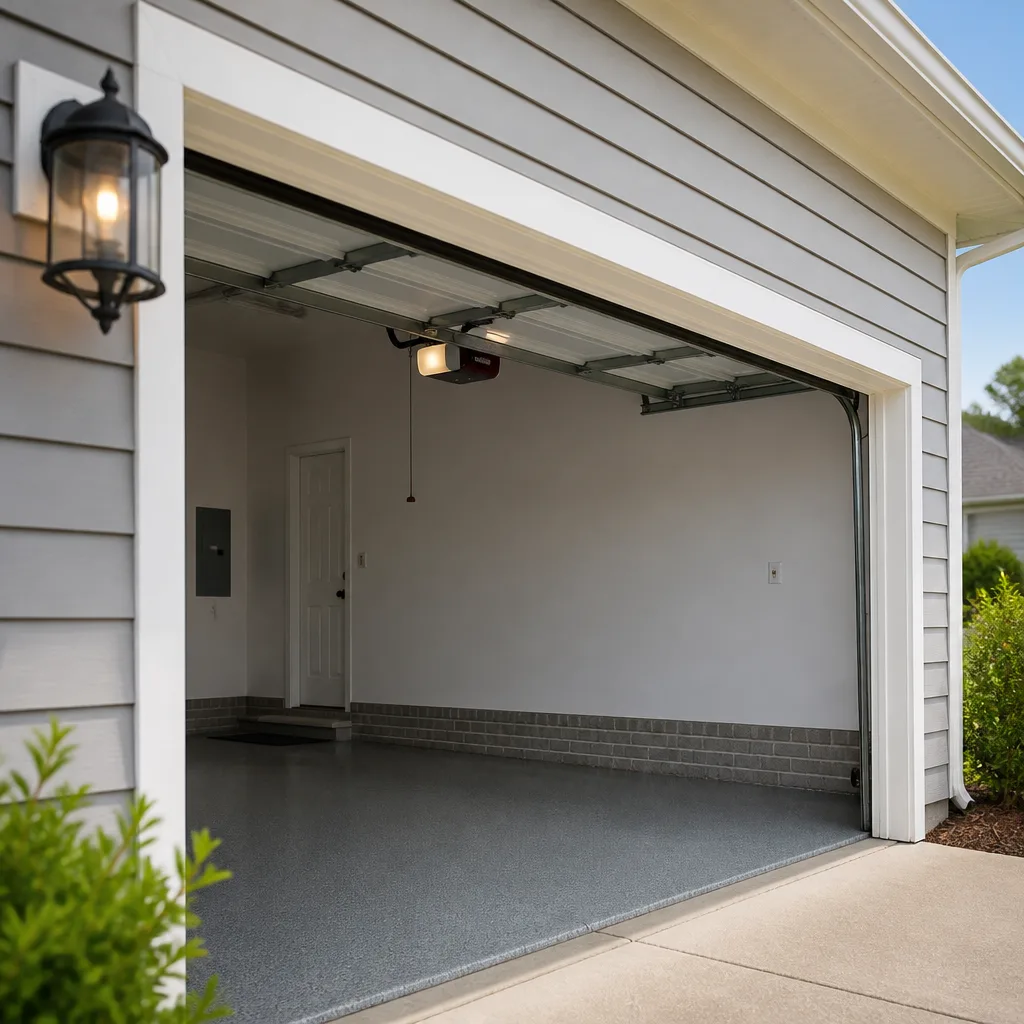
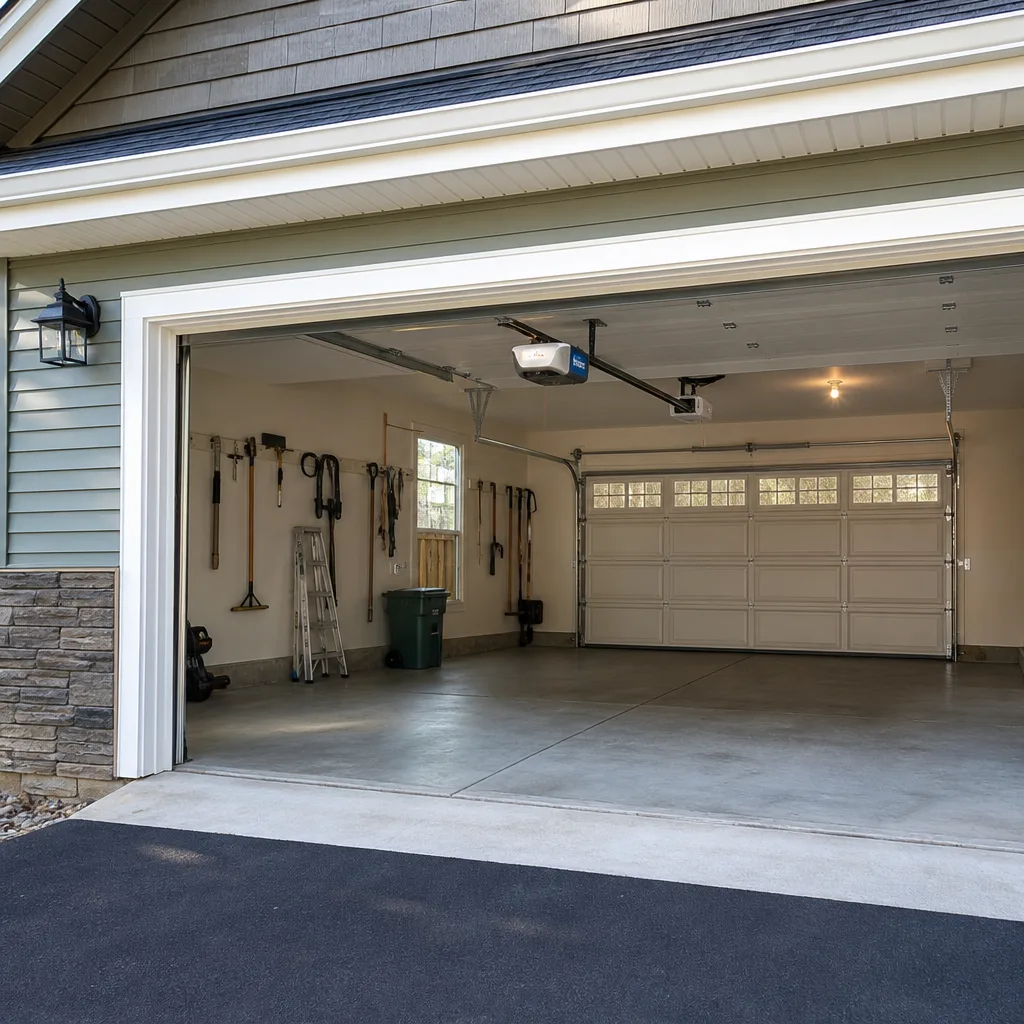
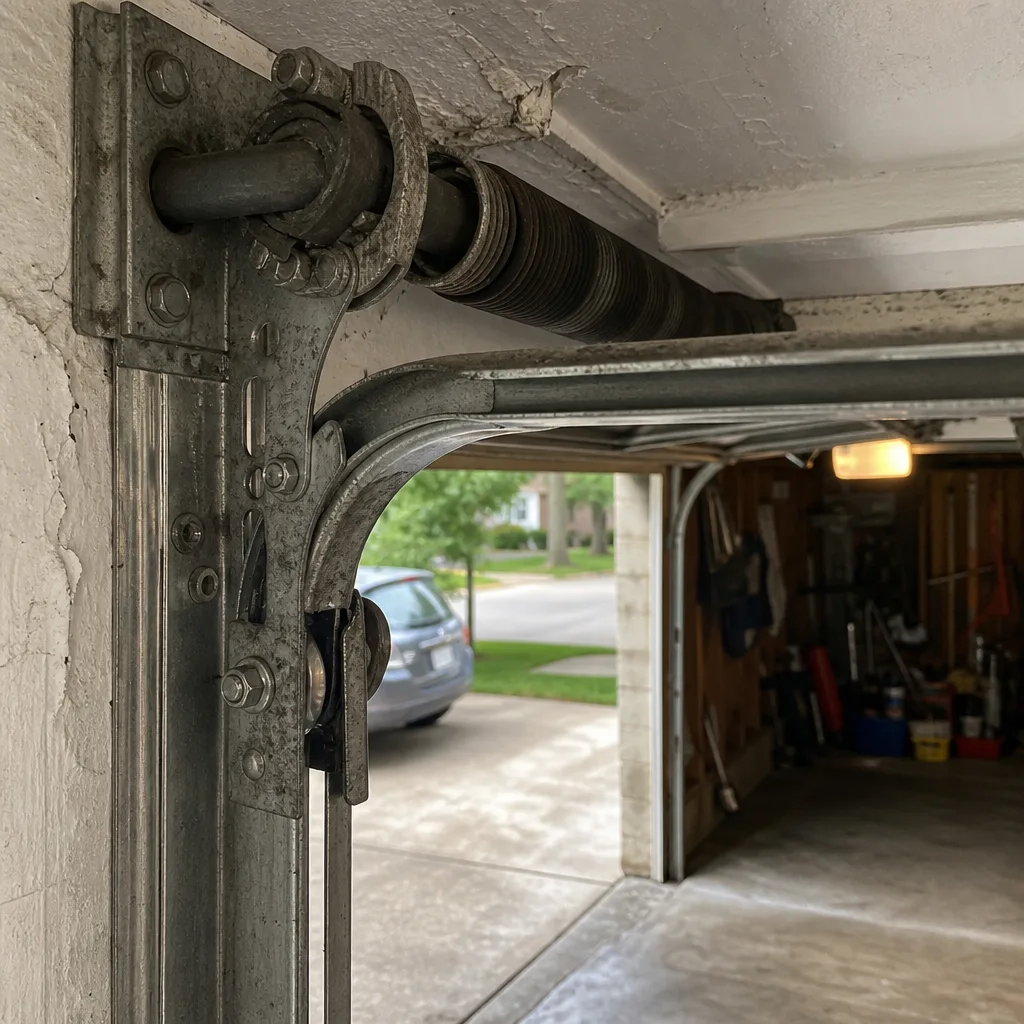 Before
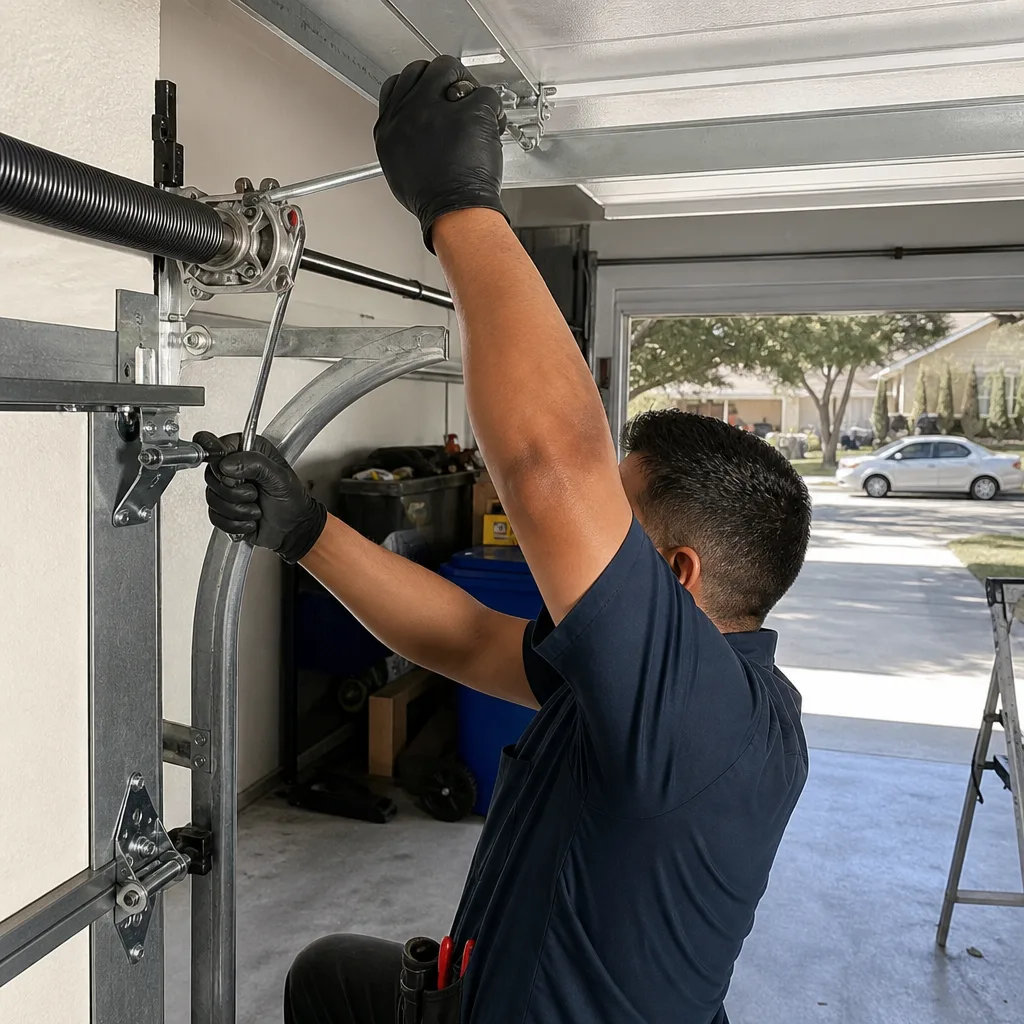 After
After Before
 After
After Before
 After
AfterSeasonal Garage Door Care for Dallas: Year-Round Homeowner’s Guide
February 2021 changed how every Dallas homeowner should think about a garage door. During that freeze, our phone rang 340 times in nine days. Not for dramatic failures. For doors that seized, weatherstrip that shattered, and springs that snapped in the cold. Most of those calls traced back to one thing: no preventive maintenance in the fall. Dallas doesn’t have four gentle seasons. It has a brutal summer, an unpredictable freeze window, and two short transition periods that are the only real windows to do preventive work before the next extreme hits. This guide walks you through that actual calendar, week by week, so you’re never the person calling at midnight with a car trapped inside. For The Complete Guide to Garage Door in Dallas and more guides & resources, visit our blog.
Quick Answer
Seasonal garage door care in Dallas means doing preventive maintenance in late April and early November, not January or July. The two transition windows are when you replace weatherstripping, lubricate moving parts, test balance and sensors, and inspect springs before extreme heat or cold stresses the hardware. Skipping those windows is how a $20 weatherstrip replacement becomes a $400 spring repair or a $300 opener circuit board failure.
Table of Contents
- The Real Dallas Garage Door Calendar
- The Pre-Summer Checklist: Late April to Mid-May
- Dallas Ice Storm Protocol: What to Do When Temps Drop Fast
- August Heat and Your Opener’s Circuit Board
- Spring Hail Season: Protecting Weatherstripping and Documenting Damage
- The November Last Look: Fifty Dollars Now or Five Hundred in January
- Common Mistakes to Avoid
- When to Call a Professional
The Real Dallas Garage Door Calendar
Forget the national home-maintenance magazines. They’ll tell you to “winterize” in October and “summerize” in April, but they’re writing for Minneapolis and Phoenix. Dallas has its own rhythm, and your garage door feels every degree of it. We’ve been working on doors in this county since 2004, and Otto will tell you the same thing he tells his neighbors: the only two maintenance windows that matter here are late April to mid-May, and the first three weeks of November. Miss those, and you’re gambling against the weather.
Here’s why. Dallas summers routinely push garage temperatures past 130 degrees. That heat doesn’t just make the space uncomfortable. It bakes the grease out of rollers, degrades the rubber in weatherstripping, and pushes opener circuit boards to their thermal limit. Then winter arrives as a coin flip: either mild and damp, or an Arctic blast like February 2021 that drops temperatures forty degrees in twelve hours. When that happens, metal contracts, lubricant thickens, and plastic parts become brittle. A door that worked fine on Tuesday can refuse to open on Wednesday morning.
The transition seasons are short. Spring in Dallas lasts roughly six weeks before the heat takes over. Fall is even shorter, sometimes four weeks between the last 90-degree day and the first overnight freeze. That’s the entire maintenance window. Plan around it.
The Pre-Summer Checklist: Late April to Mid-May
Late April is the last reasonable window before Dallas heat starts degrading springs, sensors, and openers. The work takes about two hours and costs under fifty dollars in materials. Here’s the sequence we recommend, in order of importance.
- Replace bottom weatherstripping. A garage door’s bottom seal hardens over winter. By May, it’s ready to crack. The rubber strip costs $15 to $40 at any hardware store, and it’s the single best defense against dust, rain, and hot-air infiltration. In Dallas, a broken bottom seal means 130-degree air pushing into your garage all summer.
- Lubricate with low-temp tolerant lubricant. Dampness from spring rains has been sitting on rollers, hinges, and tracks for months. Use a spray lubricant rated for garage doors, not a general-purpose oil that gums up. A door is 200 pounds riding on two springs. Respect it. Lubrication takes ten minutes and extends the life of every moving part.
- Test the balance. Pull the red release cord and manually lift the door. If it stays put about halfway up, the springs are doing their job. If it drops or flies up, the springs are worn. Don’t adjust them yourself. Call a pro before the heat adds more stress.
- Check the safety sensors. The photo-eye sensors at the bottom of the track take a beating from dirt and moisture. Make sure the lenses are clean and aligned. A misaligned sensor isn’t a minor nuisance; it’s a safety system that stops a 200-pound door from crushing whatever’s underneath.
- Inspect the opener motor. Listen for grinding or whining. A healthy motor hums. A laboring motor is a warning sign. In our experience, August heat kills more opener motors than any other season, and the damage starts in spring.
If you run through this list and something doesn’t feel right, that’s the time to call. We quote prices on the phone and hold that number when Otto or his crew shows up. No surprises. You can reach us at (972) 736-9689.
Dallas Ice Storm Protocol: What to Do When Temps Drop Fast
Here’s the actual sequence for protecting your garage door when a Dallas ice storm warning hits. This isn’t generic winter advice. It’s what we learned from hundreds of freeze-related calls in February 2021.
First, do not force it. If the door won’t move when you press the opener, do not keep pressing the button. The opener motor can burn out in under a minute of fighting frozen hardware. If the door is frozen at the bottom seal, a thin layer of ice is holding it to the concrete. Pour warm water, not hot, along the bottom edge. Hot water can crack the rubber seal.
Second, lubricate before the freeze arrives. If you got the November maintenance done, you’re already set. If not, grab a low-temp lubricant and hit the rollers, hinges, and spring coils now, before the temperature drops below freezing. Lubricant that’s already applied works better than lubricant applied to frozen metal.
Third, check your opener’s backup condition. During the 2021 freeze, we heard from dozens of homeowners whose openers failed because the battery backup was dead or the power went out with the door half-open. If you have a battery backup, test it. If you don’t, know where your red release cord is so you can lift the door manually if the grid goes down.
Fourth, leave the door closed unless you must open it. Every cycle in sub-freezing weather is more wear on cold metal and brittle plastic. Your car will wait. The hardware will not forgive you.
One more thing: if a spring snapped during a freeze, which happens when cold air makes the metal more brittle, do not attempt to repair it. A garage door spring under tension stores enough energy to cause serious injury. Call a professional who carries the right parts on the truck.
August Heat and Your Opener’s Circuit Board
Here’s something most Dallas homeowners don’t know: the automatic opener’s circuit board is the component most likely to die from heat, not age. The board sits inside the motor unit on the garage ceiling, where summer temperatures can easily exceed 140 degrees. Electronics don’t like 140 degrees.
The early failure signs are subtle. You might notice the opener responding more slowly to the remote. Or the door starts and stops mid-cycle for no obvious reason. Or the wall button works but the remote doesn’t. These are not random glitches. They’re the board’s way of announcing that heat stress is taking a toll.
Here’s the sequence we see in Dallas garages every August:
- Remote range drops. You have to be closer to the door for the remote to work. The board’s receiver is losing sensitivity.
- Intermittent operation. The door works sometimes and ignores you other times. The board’s relays are sticking.
- Complete failure. No response at all. The board has given up. Replacement cost runs $200 to $400 depending on the opener model.
If you’re noticing the first or second sign, the fix is often simpler than a full board replacement. A solid cooling strategy helps: adding a small ventilation fan to the garage, parking a hot car outside before it cools in the garage, and keeping the garage door open for fifteen minutes after returning home all reduce accumulated heat. But once the board starts showing sign three, replacement is the honest answer.
We see this with Chamberlain and Genie openers most often, simply because they’re the most common brands in Dallas homes. The pattern is the same across all major brands: heat kills boards, and early signs are your warning to act.
Spring Hail Season: Protecting Weatherstripping and Documenting Damage
Dallas hail isn’t an every-spring event, but when it hits, it hits hard. Golf-ball and baseball-sized hail has been recorded in Parker, Tarrant, and Collin counties more times than anyone wants to count. Your garage door’s weatherstripping takes the worst of it, because it’s the softest material on the door’s exterior.
Here’s the three-step protocol we recommend for hail season:
- Document the pre-storm condition. If your homeowner’s insurance will cover hail damage, they’ll want proof of what the door looked like before. Take six photos: the full door from the street, both top corners, both bottom corners, and a close-up of the weatherstripping. Date-stamp them. Store them in a folder on your phone.
- Inspect weatherstripping after the storm passes. Hail dents the rubber, and dented rubber loses its seal. Run your hand along the bottom seal and the side seals. If you feel pockmarks or cracks, replace the strips. It’s a $40 fix, and it keeps your garage from leaking heated air all summer.
- Check the door panels for dents you can’t see at first glance. Hail damage on a metal door isn’t always obvious. Look at the door in the early morning or late evening when the low-angle sun casts shadows. Dents that were invisible at noon will show up clearly.
One thing worth knowing: insurance adjusters in Dallas are familiar with hail claims on garage doors, but they sometimes undervalue the cosmetic damage because the door still “works.” If your door is dented and you don’t want to file a claim, the dents won’t hurt the door’s function. But if you’re planning to sell the house, buyers notice. Document it either way.
The November Last Look: Fifty Dollars Now or Five Hundred in January
The first three weeks of November are your last real maintenance window before winter. The tasks are simple, cheap, and take about an hour. Skip them, and you’re rolling the dice on a January freeze that costs real money.
Here’s the November sequence Otto runs on his own garage door:
- Replace the bottom weatherstrip (again). Summer has baked it. It’s now brittle and ready to crack at the first hard freeze. A new strip is $20. A door that won’t open on a freezing morning costs more in frustration alone.
- Apply low-temp lubricant to every moving part. Rollers, hinges, spring coils, tracks. The lubricant you use matters: it needs to stay fluid below freezing. Standard oils thicken in the cold and make the door work harder.
- Test the door’s balance manually. Pull the release cord and lift. If it’s heavier than it was in the spring, the springs are losing tension. That’s expected, but it’s worth noting: worn springs fail more often in cold weather. The metal is already under stress, and the cold makes it more brittle.
- Test the opener’s force setting. Put a 2×4 on the ground under the door and close it. The door should reverse when it hits the board. If it doesn’t, the force setting is too high and the opener is dangerous.
- Check the remote batteries. Cold air drains batteries faster. Five dollars in fresh batteries now saves you standing in the cold pressing a dead remote.
I count spring cycles the way you count tire miles. Ask me what’s left on yours when I’m out for your November check, and I’ll give you an honest answer. Fifty dollars of preventive work in November beats a five-hundred-dollar repair in January. That’s not a sales pitch. It’s just the math.
Common Mistakes to Avoid
- Using WD-40 on the springs. WD-40 is a cleaner, not a lubricant. It strips away the existing grease and leaves the metal dry, which makes the spring work harder and wear faster. Use a lubricant formulated for garage doors.
- Ignoring the balance test. A door that’s slightly out of balance still “works,” so homeowners don’t notice. But the opener is doing the extra work, and that’s how openers die young. Test the balance every season.
- Forcing the door when it’s frozen. Pressing the button repeatedly is the fastest way to burn out an opener motor. If it doesn’t move, stop. Warm the seal, then try once.
- Putting off a spring inspection. Springs don’t fail at convenient times. They fail when the weather is extreme and the door is the only thing between your car and the outside. Count the cycles, not the years.
- Replacing the opener before checking the door. If the opener is straining, the problem is almost never the opener. It’s the door: the balance, the springs, or the rollers. Diagnose the door first.
- Buying the cheapest weatherstrip. Cheap rubber cracks in the first Dallas freeze. Buy a quality strip once, and you won’t buy it again for three years. The price difference is four dollars.
When to Call a Professional
Some jobs are worth doing yourself. The November inspection, the lubrication, the weatherstrip replacement: those are homeowner work. Spring replacement, cable repair, track realignment, and opener troubleshooting are not. See our DIY vs Professional Garage Door: The Dallas Homeowner’s Decision Guide for the full breakdown. A garage door spring under tension carries enough stored energy to break bones or worse. We don’t say that to scare you. We say it because we’ve seen what happens when a well-meaning homeowner tries to save a service call.
If your door is out of balance, if a spring is visibly broken, if the opener is grinding, or if the door sits uneven in the track, stop and call. Garage Door Repair in Dallas is what we do every day, and we’re honest about what needs fixing versus what can wait. Otto’s Garage Door offers free estimates in Dallas. Call (972) 736-9689, and a live person answers. Often it’s Otto himself.
We carry parts for all major brands on the truck: Chamberlain, Genie, Clopay, Amarr. When you call, you’ll get a price on the phone, and that price holds when we show up. No dispatch center. No national call queue. Just a local shop that’s been in this county since 2004, with a published address and license number anyone can verify before the truck arrives.
Frequently Asked Questions
Twice a year, in late April and early November. Dallas humidity and dust combine to gum up moving parts faster than in drier climates, so semi-annual lubrication is the minimum. Use a lubricant rated for garage doors, not a general-purpose oil.
Do-it-yourself materials run $50 to $100 per year: weatherstripping, lubricant, and remote batteries. A professional tune-up in Dallas typically runs $100 to $175. For detailed pricing, see our Garage Door Cost Breakdown: The Dallas Homeowner’s Reference for 2026. Call (972) 736-9689 for a specific price. We quote on the phone and hold the number.
Yes, and it happens more often in cold weather. Springs under tension become more brittle in freezing temperatures, which is why spring failures spike during Dallas freezes. Spring replacement is not a DIY job. Call a professional who carries the right parts. We do.
Heat. Dallas garage temperatures exceed 130 degrees in July and August, and the opener’s circuit board sits in that heat. Remote range drops, the door works intermittently, and eventually the board fails. Good ventilation helps, but a failing board needs replacement.
Yes. The bottom seal takes brutal abuse from Dallas summers and freezes. A strip that looks fine in April can be cracked by November. It’s a $20 part and ten minutes of work. Replace it every fall.
It depends on your comfort level. The inspection and lubrication are homeowner-friendly. But a professional will catch things you won’t: slight track misalignment, spring wear, opener force issues. For under $200, it’s cheap insurance against a $500 mid-winter failure. Call (972) 736-9689 for an exact quote. Estimates are free.
The Bottom Line
Dallas garage doors live hard lives. The heat bakes them, the freezes shock them, and the hail bruises them. The homeowners who avoid breakdowns are the ones who do preventive work in the two narrow windows: late April and early November. Replace your weatherstripping twice a year. Lubricate every moving part with the right product. Test the balance and the safety sensors. And when something’s beyond your comfort level, call someone local who answers the phone and holds their price. For more guides & resources, explore our blog. That’s how you keep a garage door working for twenty years in this Texas climate.
Otto’s Garage Door home has been serving Dallas since 2004. For a free estimate on any Garage Door Opener in Dallas or to schedule a Garage Door Installation in Dallas, call (972) 736-9689. A live person answers, day or night.
Written by Otto Reinhardt, Owner at Otto’s Garage Door, serving Dallas since 2004.